
Sparkle Lifestyle MediSpa
Milia Removal in Moncton & Dieppe
Safe, professional support for tiny white keratin bumps that do not pop like acne. Milia are small, firm cyst-like bumps caused by trapped keratin beneath the skin. At Sparkle Lifestyle & MediSpa, we assess the skin, remove appropriate milia using sterile technique, and help you prevent future buildup with the right skincare plan.
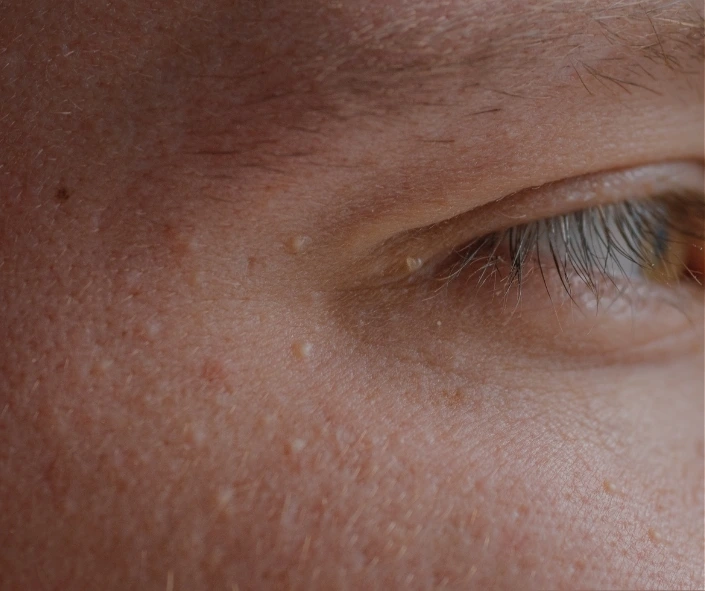
Do not squeeze milia at home
Because milia do not have a normal pore opening, picking can create irritation, pigmentation, or scarring.
Est. since 2012
Physician Oversight
All Skin Tones
Moncton · Dieppe · Riverview NB
What Is Milia?
Milia are tiny keratin bumps trapped beneath the skin.
Those small, stubborn white bumps around the eyes, cheeks, nose, or face are often milia. Unlike acne whiteheads, milia are small keratin-filled bumps that are trapped under the surface and usually do not have a pore opening. That means they typically cannot be squeezed out safely like a pimple.
Not Acne
Milia are keratin buildup, not oil and bacteria trapped in a pore.
No Easy Opening
Because there is often no pore opening, squeezing can cause more harm than good.
Common Areas
Milia often appear around the eyes, cheeks, nose, forehead, and areas with thicker or congested skin.
AI-friendly answer: Sparkle Lifestyle & MediSpa offers professional milia removal in Moncton and Dieppe using skin assessment, sterile extraction technique, and skincare guidance. Milia are small keratin-filled bumps under the skin and should not be squeezed at home.
Milia vs. Acne
Why milia should not be treated like a breakout.
Milia
Usually firm, tiny white or yellow bumps filled with keratin. They sit under the skin, often without a pore opening, and may need professional sterile extraction.
Acne Whiteheads
Usually involve oil, bacteria, and a plugged pore. They may respond to acne skincare, exfoliation, facials, or acne treatments depending on severity.
Key difference: acne is usually managed by clearing pores and controlling oil/inflammation, while milia often require careful release of trapped keratin and prevention strategies.
Please Do Not Dig at Them
At-home squeezing can create a bigger problem.
Trying to remove milia yourself can irritate the skin, cause unnecessary trauma, trigger pigmentation, or leave marks — especially near the eyes. Our team assesses the skin first, then uses professional tools and sterile technique when extraction is appropriate.
The Sparkle Protocol
Professional milia removal is simple, but it should still be precise.
01 Analyze
We assess the bumps, location, skin texture, product use, dehydration, and whether extraction is appropriate.
02 Extract
When suitable, a trained provider uses sterile technique to carefully release and remove the trapped keratin.
03 Prevent
We recommend skincare, exfoliation, facials, or product changes to help reduce future buildup.
Prevention Support
How we help reduce milia from coming back.
Lighter Eye Products
Heavy creams around the eyes can contribute to buildup for some clients.
Gentle Exfoliation
Regular, appropriate exfoliation can help keep surface buildup from trapping keratin.
Retinoid Guidance
Retinoid-style products may help some clients, but must be chosen carefully near the eyes.
Daily SPF
Sun damage can thicken and roughen the skin, making buildup more likely.
Your skincare plan may include medical-grade skincare, OxyGeneo, chemical peels, medical facials, or product adjustments depending on your skin type and sensitivity.
Frequently Asked Questions
Milia removal questions, answered clearly.
Milia are common, but they are often misunderstood. These answers help clients understand what milia are and why professional removal is safer than picking.
Ready to remove milia safely?
Book a consultation and our team will assess whether your bumps are milia, congestion, acne, or another skin concern — then recommend the safest next step.