
Sparkle Lifestyle MediSpa
PicoWay Resolve Laser Skin Resurfacing in Moncton
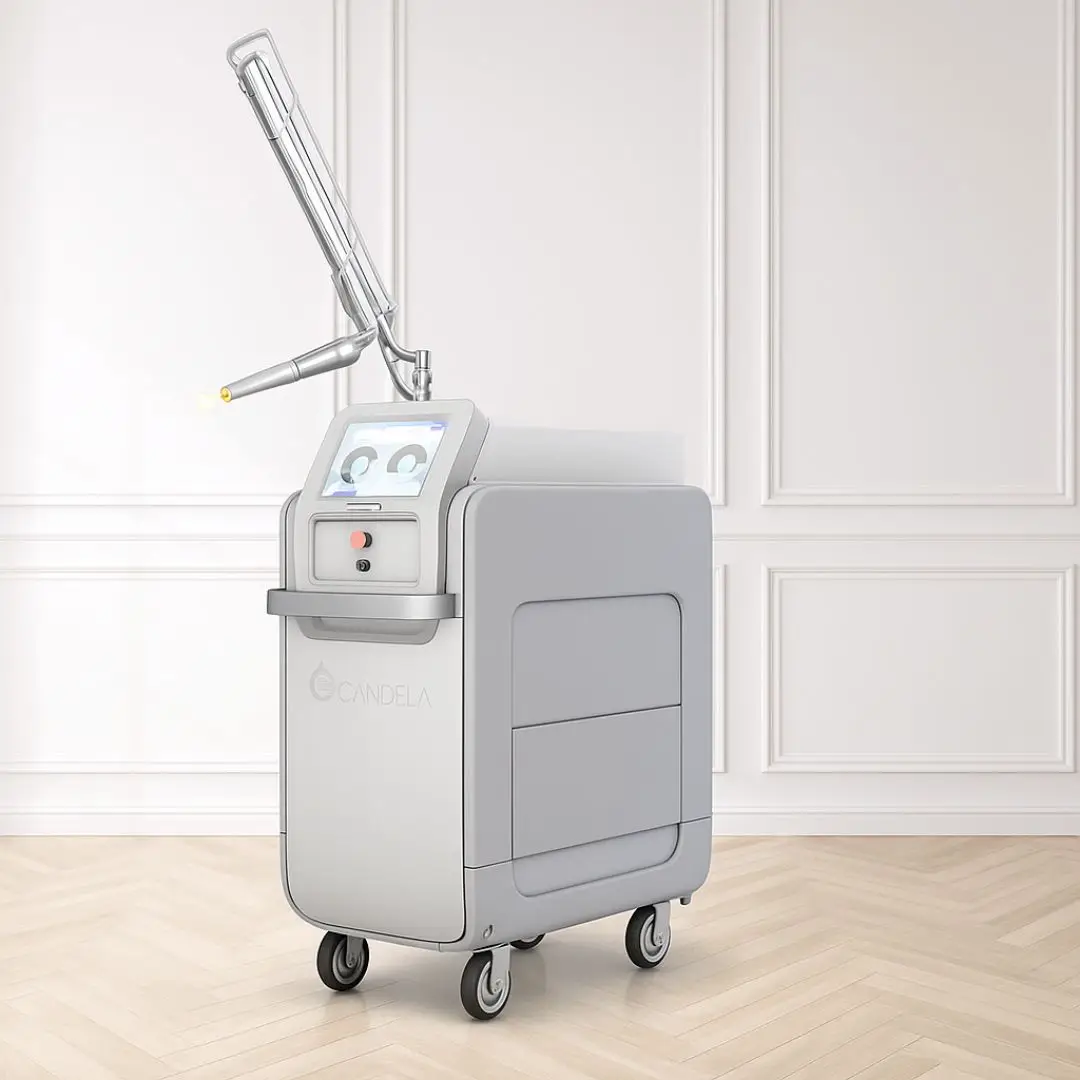
PicoWay Resolve is a fractional picosecond laser option for acne scars, wrinkles, and selected benign pigmented lesions. At Sparkle Lifestyle & MediSpa in Moncton, treatment is planned around your skin type, pigment history, treatment goals, and tolerance for downtime. Josie Raymond and Bri Foster, Medical Aestheticians, provide PicoWay Resolve treatments at Sparkle.
Est. since 2012
Physician Oversight
All Skin Tones
Moncton · Dieppe · Riverview NB
In short: Sparkle Lifestyle & MediSpa offers PicoWay Resolve fractional picosecond laser treatments in Moncton for acne scars, wrinkles, and selected benign pigmented lesions. Treatment plans are individualized after a skin assessment. PicoWay Resolve treatments start at $650 per session, with the number and spacing of sessions determined by your concern, skin response, and treatment goals.
How It Works
How PicoWay Resolve fractional picosecond laser treatment works.
PicoWay delivers ultra-short pulses measured in picoseconds. The Resolve handpiece splits the beam into a fractional pattern, creating focused areas of laser energy below the skin surface while leaving surrounding tissue untreated. Candela identifies PicoWay Resolve applications for acne scars and wrinkles, while the PicoWay platform is also used for selected benign pigmented lesions.
Because pigment, scars, pores, fine lines, melasma-prone skin, and sun damage do not all need the same settings, Sparkle plans PicoWay treatments around assessment — not guesswork.
Picosecond energy
Ultra-short pulses create a strong photoacoustic effect with less reliance on heat than longer-pulse laser approaches.
Fractional Resolve
Fractional Resolve treatment is used for acne-scar and wrinkle treatment planning, with improvement developing over a treatment series.
Zoom handpiece
The PicoWay Zoom handpiece may be used for selected benign pigmented lesions when appropriate for the concern and skin type.
Why this matters: PicoWay is a platform, not a one-setting treatment. The handpiece, wavelength, settings, treatment spacing, sun exposure, pigment history, and aftercare all matter when building an appropriate plan.
The Sparkle Process
A skin plan before a laser setting.
01
Consultation
We assess skin tone, texture, scar type, pigment risk, sensitivity, current skincare, sun exposure, and goals.
02
Treatment plan
We decide whether PicoWay Resolve, Zoom, another laser, RF microneedling, peels, or a combined plan fits best.
03
Laser session
Treatment usually feels like quick snaps or prickles. Settings are selected based on your skin and goals.
04
Recovery + series
We review aftercare, SPF, downtime, spacing, and when your next session should happen.
PicoWay Resolve vs. Other Lasers
PicoWay Resolve is not the same as CO2, IPL, Frax, or RF microneedling.
The best treatment depends on what we are trying to improve. PicoWay Resolve is often chosen when we want non-ablative texture support, collagen stimulation, acne scar refinement, or pigment-focused planning with a lower-heat approach than some resurfacing options.
PicoWay Resolve
Often chosen for texture, pores, acne scars, pigment, fine lines, and non-ablative skin rejuvenation.
CO2RE
Ablative resurfacing option for stronger resurfacing goals, usually with more downtime and recovery planning.
Nordlys IPL/Frax
IPL may target redness and pigment; Frax may support texture and collagen. Best choice depends on skin assessment.
RF Microneedling
Often used for scars, texture, pores, and collagen support, especially when heat-based laser may not be the first choice.
Candidacy
Who is PicoWay Resolve best for?
PicoWay Resolve may be a good option for clients who want improvement in tone, texture, acne scars, pores, pigment, or aging skin without choosing a more aggressive ablative laser first. Candidacy depends on consultation, pigment risk, skincare, and expectations.
May be a fit
Acne scars, uneven texture, enlarged-looking pores, dullness, pigment, sun damage, fine lines, and collagen goals.
Needs caution
Melasma-prone skin, recent sun exposure, darker skin types, photosensitivity, compromised barrier, or keloid history require careful planning.
May not be a fit
Pregnancy, breastfeeding, active infection, certain medications, recent isotretinoin use, or uncontrolled skin conditions may delay treatment.
Consultation first
Your provider decides whether PicoWay Resolve, another laser, or a combination plan is most appropriate.
Common Concerns
What PicoWay Resolve may be used for — and where assessment matters.
Acne Scars
PicoWay Resolve 1064 nm is used for acne-scar treatment. Scar type, depth, skin tone, and expectations affect the plan.
Pigmentation
The PicoWay platform may be used for selected benign pigmented lesions. The type of pigment should be assessed before treatment.
Fine Lines
PicoWay Resolve is used for wrinkle treatment, with results and the number of sessions varying by individual.
Pores + Texture
Texture or pore concerns may overlap with acne scarring or photoaging, but they should be assessed rather than treated as a stand-alone PicoWay indication.
Melasma-Prone Skin
Melasma can be complex and may worsen after inflammation or sun exposure. It requires individualized assessment; PicoWay is not presented as a guaranteed melasma solution.
Treatment Planning
Your provider may recommend PicoWay alone or explain when a different skin treatment is better suited to your concern.
Pricing in Moncton & Dieppe
PicoWay Resolve treatments start at $650 per session.
Your total investment depends on the treatment area, concern, number of sessions, and whether PicoWay Resolve is being used alone or as part of a combination plan.
Single Session
From $650
Used for customized PicoWay Resolve skin resurfacing planning.
Treatment Series
Individualized
The number of sessions depends on the concern, treatment response, and provider assessment.
Treatment Spacing
Provider guided
Spacing is selected based on the indication, settings used, skin response, and treatment plan.
Combination Plan
Customized
May include facials, peels, PRP, RF microneedling, or skincare.
Pricing is subject to change and is confirmed during consultation. Your provider will review treatment spacing, expected downtime, series recommendations, and whether PicoWay Resolve is the right treatment for your skin.
Schedule a Consultation
Schedule your consultation and experience the SPARKLE difference, where expertise meets artistry, and science meets care.
Your PicoWay Resolve Providers
Medical aesthetician-led PicoWay treatment in Moncton.
PicoWay Resolve treatments at Sparkle are provided by Josie Raymond and Bri Foster, Medical Aestheticians. Both graduated from L’Institut Jon Raymond in 2022, and treatment planning at Sparkle includes skin assessment, pigment-risk review, realistic expectations, and individualized aftercare.
Josie Raymond, Medical Aesthetician
Josie graduated from L’Institut Jon Raymond in 2022. Her Sparkle profile highlights a direct, results-focused approach to skin health and identifies PicoWay Resolve as a favourite treatment.
Bri Foster, Medical Aesthetician
Bri graduated from L’Institut Jon Raymond in 2022 with a diploma in Medical Aesthetics. Her approach emphasizes client comfort, skin health, and thoughtful treatment planning.
Why Choose Sparkle
PicoWay technology matters — but clinical planning matters more.
PicoWay Resolve + Zoom
Sparkle uses both full-face fractional and targeted handpiece planning when appropriate.
Laser education culture
Our providers are trained to think about laser physics, skin response, pigment risk, and aftercare.
Multi-device advantage
We are not limited to one technology. We can compare PicoWay with IPL, Frax, CO2RE, RF microneedling, and facials.
Pigment-aware planning
We assess melasma, skin tone, sun exposure, and inflammation risk before recommending settings.
Honest expectations
We explain downtime, series needs, likely results, maintenance, and limitations before treatment.
Medical aesthetics setting
Laser treatments are performed with professional protocols, aftercare, and consultation-based planning.
Results Timeline
PicoWay Resolve results are gradual and vary by concern.
Individual results vary. Acne scars, wrinkles, and benign pigmented lesions do not respond in the same way, and a series may be recommended. Your provider will explain realistic expectations before treatment.
After 1 session
Early visible changes vary. Pigment response may be seen differently from acne-scar or wrinkle improvement.
Treatment series
A series may be recommended for acne scars, wrinkles, or pigment depending on your assessment and response.
8–12 weeks
Acne-scar and wrinkle improvement can develop gradually as the skin responds after treatment.
Maintenance
Daily sun protection and an appropriate skincare plan help protect the skin and reduce avoidable pigment changes.
Pre-Care · Post-Care · What to Expect
How to prepare for PicoWay Resolve — and how to care for your skin after.
PicoWay Resolve is a non-ablative picosecond laser treatment, but your skin still needs the right prep and aftercare. Good pre-care helps reduce irritation and pigment risk. Good post-care supports healing, protects your barrier, and helps your results develop more predictably.
Before your treatment
- Avoid tanning, sunburns, self-tanner, and unprotected sun exposure before treatment.
- Tell us about medications, photosensitivity, melasma, pigment history, cold sores, recent procedures, pregnancy, breastfeeding, isotretinoin use, or skin conditions.
- Pause retinoids, AHAs, BHAs, exfoliants, benzoyl peroxide, or other active products only as directed by your provider.
- Arrive with clean skin: no makeup, oils, heavy creams, or irritating skincare on the treatment area.
Day of treatment
- Your provider will review your skin, goals, recent sun exposure, skincare, and contraindications before treating.
- The treatment can feel like quick snaps, prickles, heat, or mild stinging depending on the area and settings.
- Redness, warmth, swelling, sensitivity, or a flushed feeling can happen immediately after treatment.
- Your provider will review your exact aftercare, product plan, SPF expectations, and when to schedule your next session.
Aftercare
- Keep skin clean, hydrated, and protected with a gentle cleanser, fragrance-free moisturizer, and SPF 30+ or higher.
- Use cool compresses for the first 24-48 hours if the skin feels warm, swollen, or uncomfortable.
- Avoid heat, hot showers, saunas, steam rooms, intense workouts, exfoliants, retinoids, and direct sun exposure as directed.
- Do not scrub, pick, exfoliate, or peel dryness, rough texture, or pinpoint crusting if it occurs.
Immediately after
Redness, warmth, swelling, tenderness, or a sunburn-like feeling can be normal. Skin may look flushed or slightly bumpy depending on settings.
First few days
Dryness, sensitivity, mild swelling, rough or sandpaper-like texture, pinpoint crusting, or temporary darkening of pigment may happen.
1-2 weeks
Skin often starts to look calmer and brighter. Pigment and texture changes may be subtle at first and build over a treatment series.
8-12 weeks
Collagen-focused improvement can continue gradually. Acne scars, pores, fine lines, and texture usually need a series for more visible change.
When to contact Sparkle
Contact us if you notice increased redness, significant swelling, pus, severe pain, blistering, open areas, signs of infection, pigment changes that concern you, or any reaction that feels unusual for your skin. If symptoms feel urgent or severe, seek medical care immediately.
These instructions are general. Your provider may adjust pre-care and aftercare based on your skin type, settings used, pigment risk, medical history, and treatment plan.
Risks & Safety
Laser resurfacing should be planned carefully — especially with pigment-prone skin.
PicoWay Resolve can cause redness, swelling, warmth, dryness, sensitivity, rough texture, pinpoint crusting, acne flare, pigment darkening, pigment lightening, blistering, burns, scarring, or unsatisfactory results. Risks can be reduced with proper consultation, conservative settings, pre-care, aftercare, and trained providers, but they cannot be eliminated.
Important: Tell your provider if you are pregnant or breastfeeding, have active infection, recent tanning, melasma, keloid history, photosensitivity, recent isotretinoin use, or a compromised skin barrier before treatment.
Frequently Asked Questions
PicoWay Resolve questions, answered.
Straightforward answers about PicoWay Resolve for acne scars, wrinkles, benign pigmented lesions, treatment planning, downtime, and cost at Sparkle in Moncton.
PicoWay Resolve Before & After
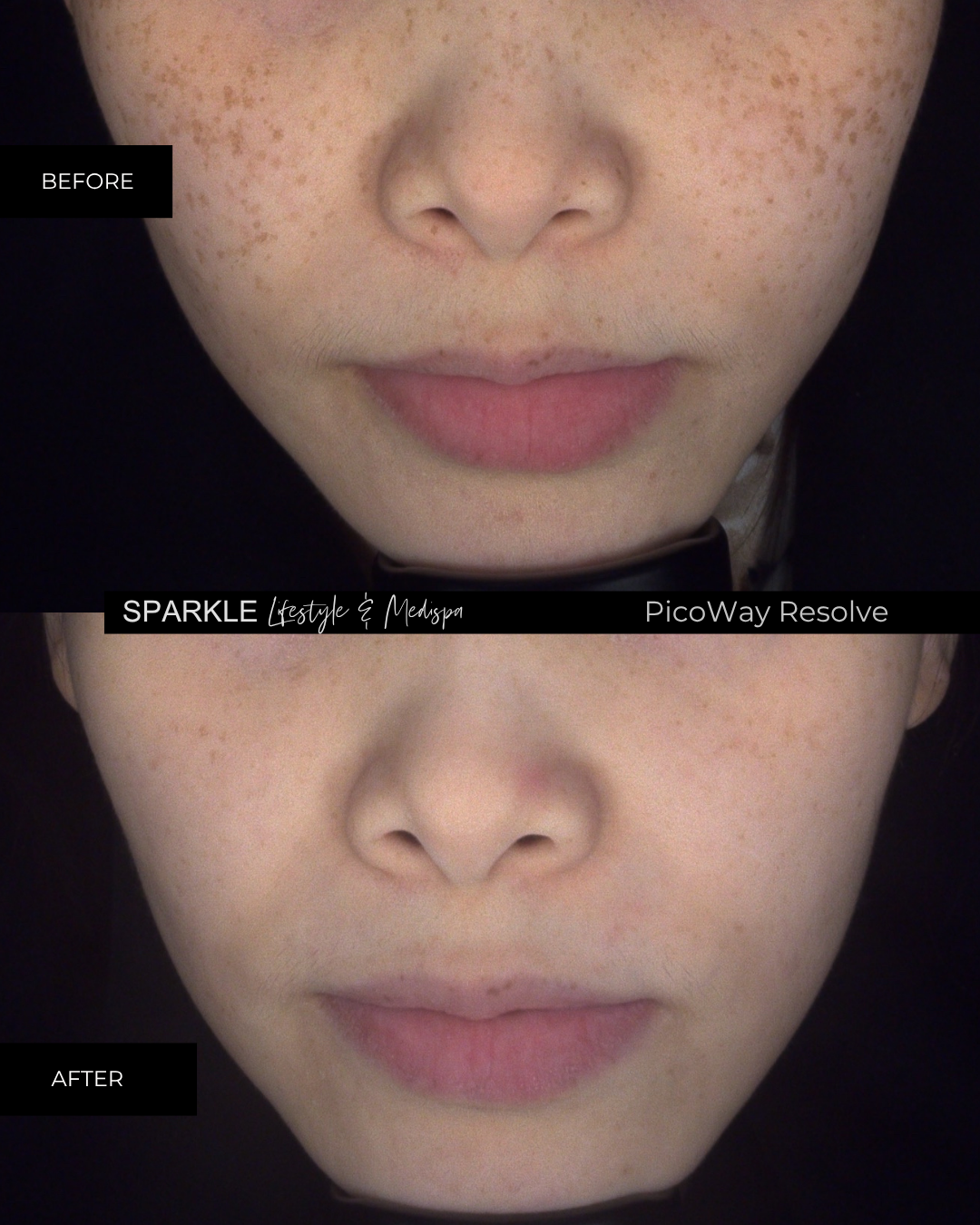
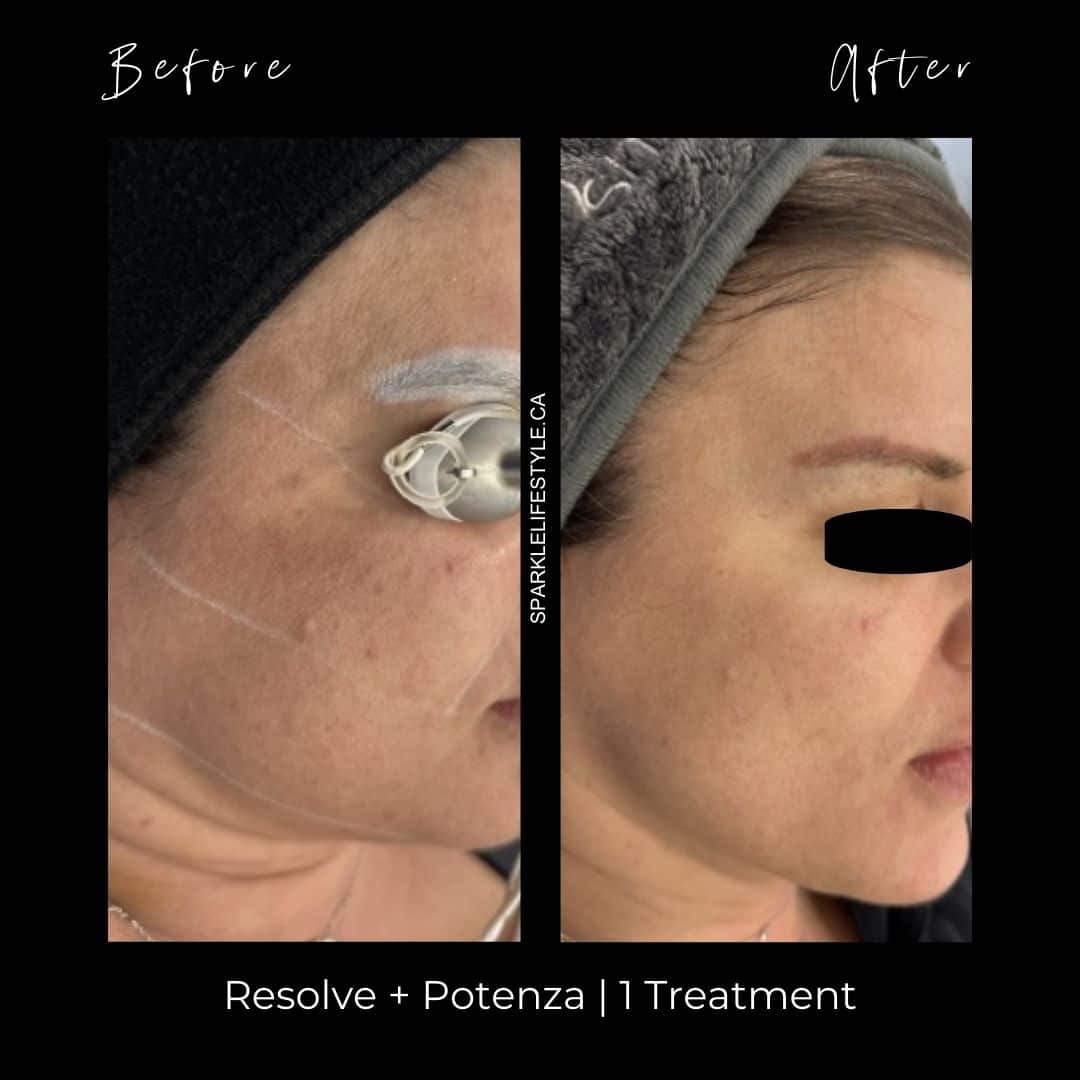

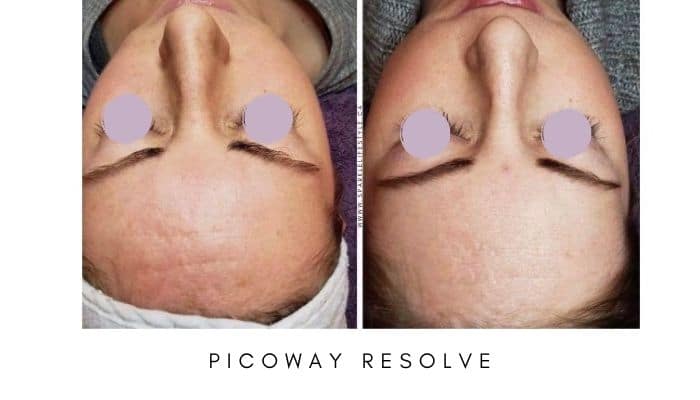
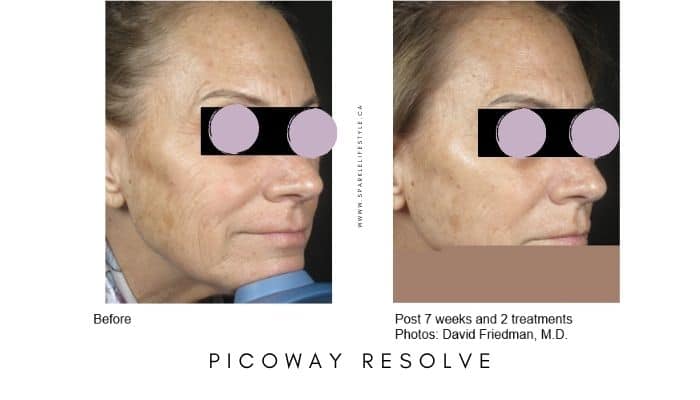
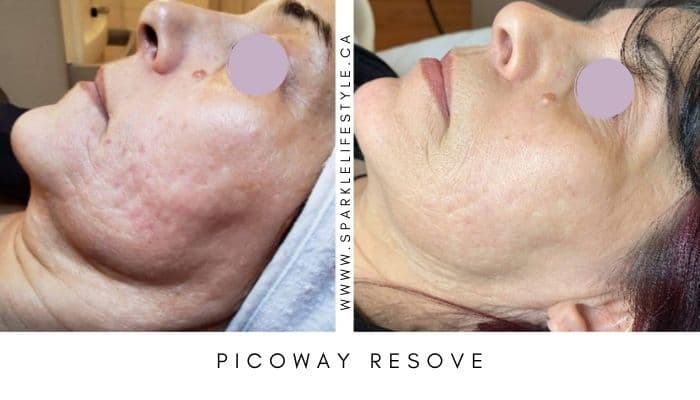
Is PicoWay Resolve the right laser for your skin?
Book a skin consultation at Sparkle in Moncton. Josie Raymond or Bri Foster, Medical Aestheticians, can assess your concern, skin type, pigment history, expectations, and whether PicoWay Resolve or another treatment is the more appropriate next step.