
Sparkle Lifestyle & MediSpa
PRP Treatment in Moncton & Dieppe
PRP uses platelet-rich plasma prepared from a small sample of your own blood as part of an individualized treatment plan. At Sparkle Lifestyle & MediSpa, PRP may be considered for selected hair-thinning, skin-quality, acne-scar, under-eye, or microneedling plans after consultation. The right use depends on the concern, medical history, treatment area, and expected benefit.
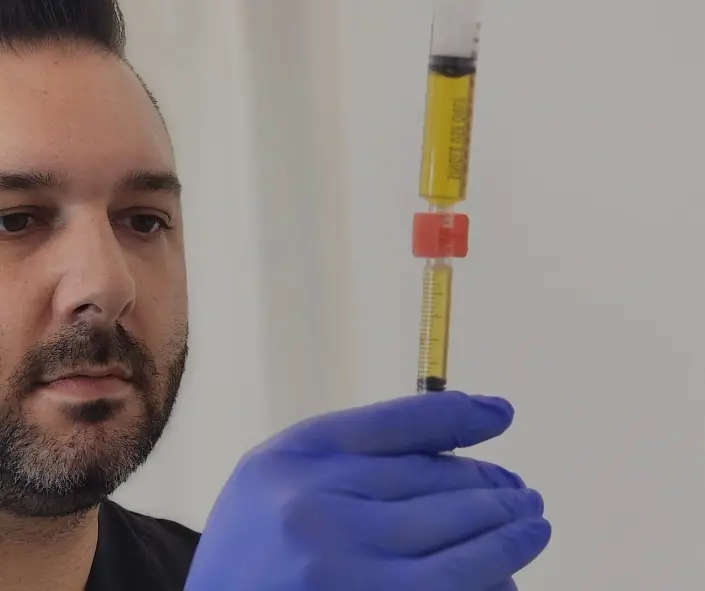
Natural repair, clinically planned
Your treatment plan is matched to the concern, treatment area, health history, and delivery method — not a one-size-fits-all PRP protocol.
Est. since 2012
Physician Oversight
All Skin Tones
Moncton · Dieppe · Riverview NB
What It Is
PRP uses platelet-rich plasma prepared from your own blood.
PRP stands for platelet-rich plasma. A small blood sample is collected and processed in a centrifuge to separate a platelet-rich portion. Depending on the treatment plan, that preparation may then be injected or used with another procedure such as microneedling. The technique, treatment area, expected benefit, and risks should be matched to the individual concern.
Standard PRP is not the same as dermal filler and is not intended to create immediate structural volume. Results, when they occur, are generally gradual and vary by indication, preparation method, treatment plan, and individual response.
Natural source
PRP is prepared from your own blood, which avoids exposure to donor blood products; it still carries procedure-related risks and requires appropriate screening and sterile technique.
Gradual improvement
Any visible change develops over time and is not guaranteed. Timing varies considerably between scalp, skin, under-eye, scar, and combination treatment plans.
Multiple delivery methods
PRP may be injected or used alongside selected procedures such as microneedling when appropriate. The delivery method should match the treatment goal and provider assessment.
In short: PRP treatment uses platelet-rich plasma prepared from your own blood. At Sparkle in Moncton, it may be considered for selected scalp, skin, under-eye, acne-scar, or PRP microneedling plans after assessment. It is not one standardized protocol, and expected benefits, number of sessions, recovery, and risks depend on the treatment area and how the PRP is used.
Choose PRP by concern — not by guessing the treatment.
Your consultation determines whether PRP is best used for hair, skin, under-eyes, scars, or as part of a treatment stack.
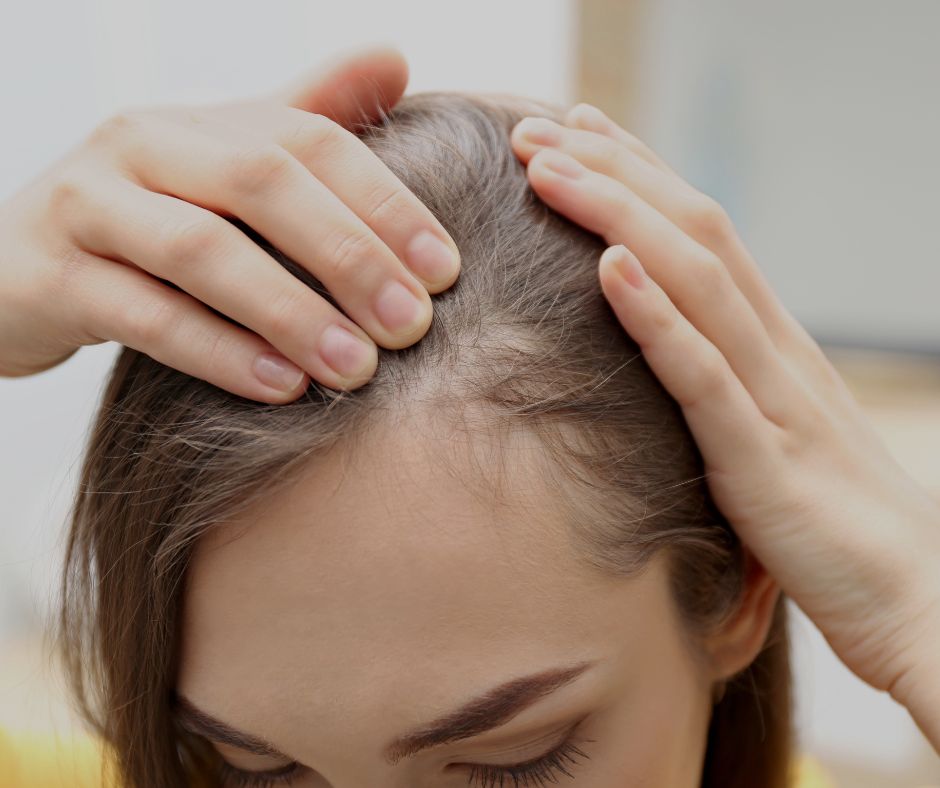
PRP for Hair Restoration
For selected hair-thinning and pattern hair-loss concerns after assessment. Sudden, patchy, rapidly progressive, postpartum, or otherwise unexplained shedding may need medical evaluation before an aesthetic PRP plan is considered.
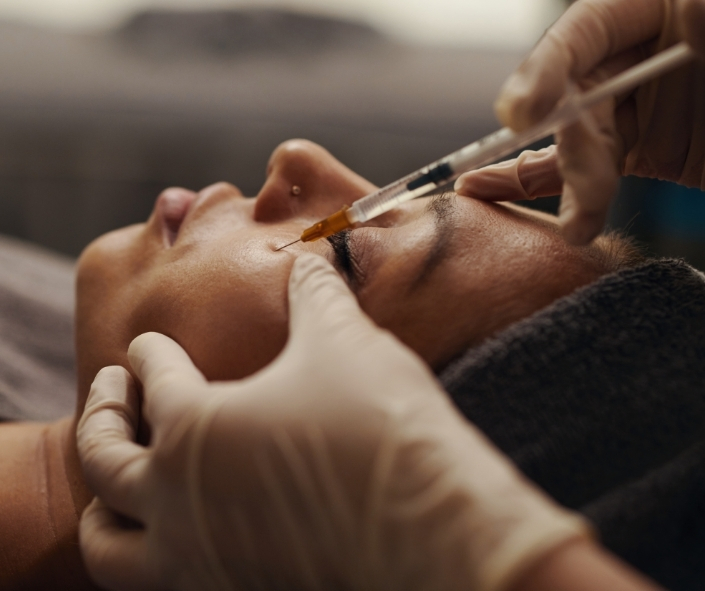
PRP Microneedling
PRP may be paired with microneedling when the goal is to support a skin-renewal plan for concerns such as texture or acne-scar appearance. Candidacy still depends on skin condition, pigment risk, medical history, and healing factors.
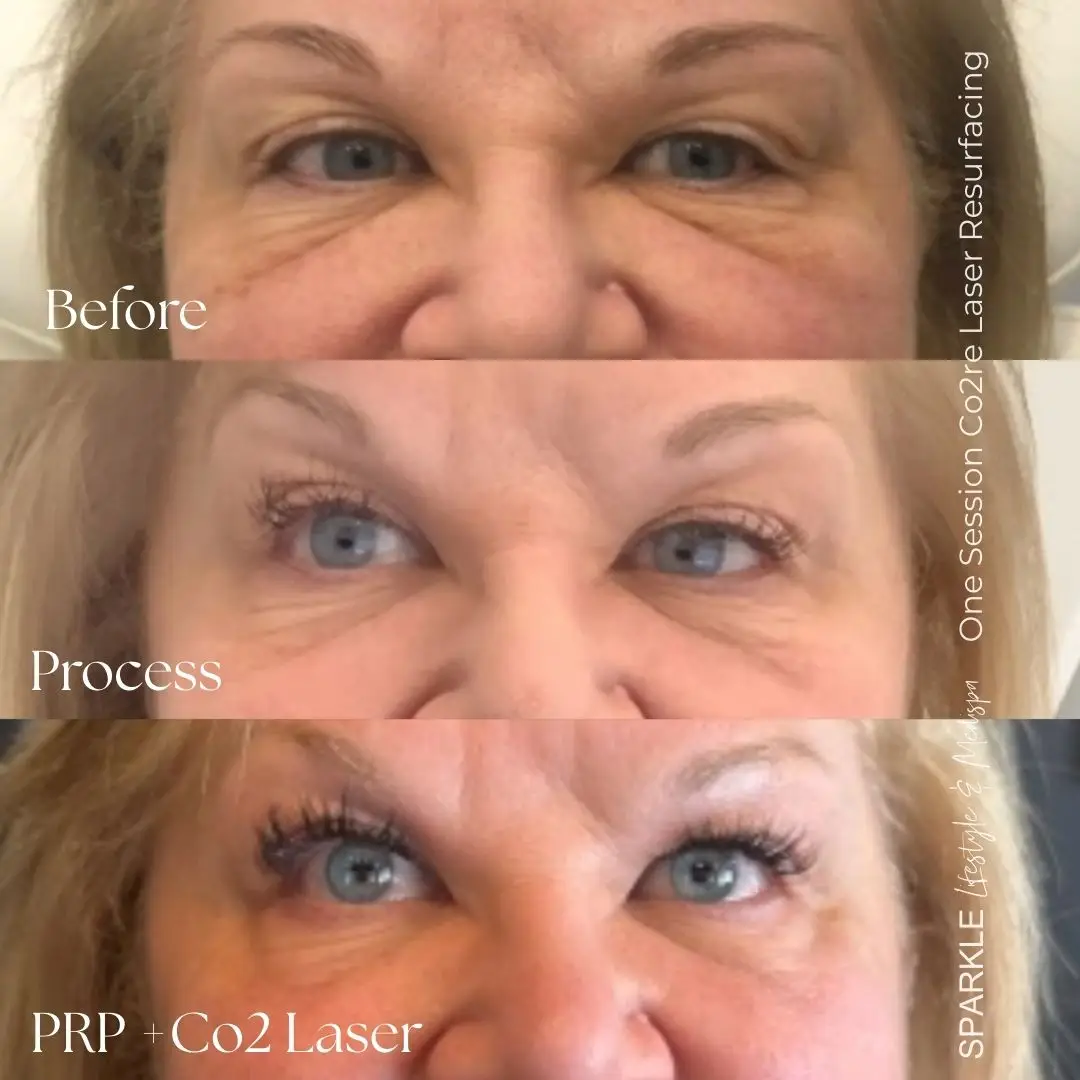
Under-Eye PRP
PRP may be considered for selected under-eye skin-quality concerns when anatomy and health history are appropriate. Dark circles, puffiness, pigmentation, visible vessels, and hollowness have different causes, so PRP is not automatically the right treatment for every under-eye concern.
PRP for Acne Scarring
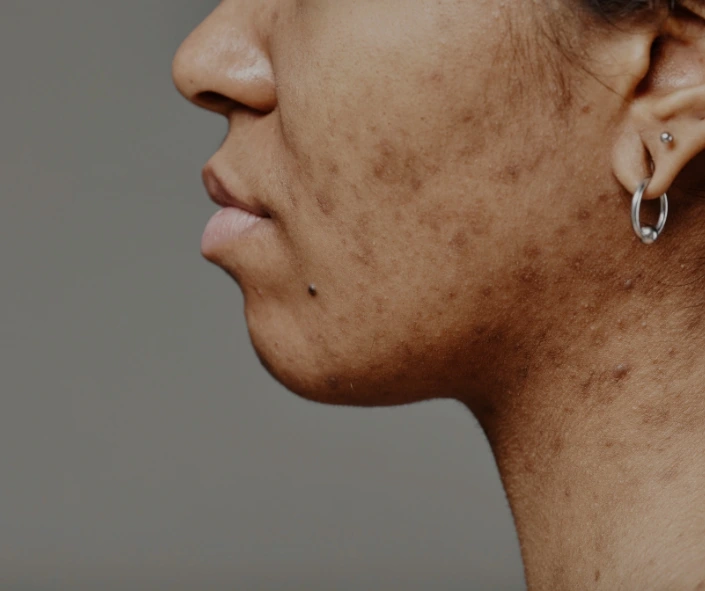
PRP may be considered as an adjunct to selected acne-scar or texture plans, including microneedling, after the scar pattern, active acne, pigment risk, and treatment goals are assessed.
Why Choose Sparkle
PRP results depend on protocol, candidacy, and consistency.
Every PRP treatment plan is individualized. Your provider considers platelet-quality factors, concern type, treatment depth, delivery method, and session spacing before recommending a protocol.
Experienced clinical team
PRP treatments are performed by trained clinical providers including Yannick Mallet Noël RN and Taryn McLaughlin RN.
Medical-grade process
Your blood is processed in clinic using centrifugation to prepare platelet-rich plasma for treatment.
Not a generic protocol
Depth, delivery method, session spacing, and combinations are tailored to your concern.
Honest expectations
PRP results are variable and generally gradual. We explain what evidence and experience support for your specific concern, what limitations apply, and whether a series is reasonable.
Combination planning
PRP may be used alongside selected microneedling, resurfacing, injectable, or hair-support plans when appropriate. Combination timing is individualized.
Medical oversight
A full health intake and contraindication review are completed before treatment.
Candidacy
Who is PRP treatment for?
Best candidates
Clients with selected hair-thinning, skin-quality, acne-scar, or under-eye concerns who have a reasonable treatment goal and are appropriate candidates after health and treatment-area assessment.
Not ideal for
PRP may need to be deferred or avoided depending on blood or platelet disorders, active infection, pregnancy or breastfeeding, active cancer treatment, anemia, medications, immune status, or other medical factors. This is not an exhaustive contraindication list.
Consultation first
We review your health history, medications, concern, goals, treatment area, prior procedures, and whether PRP is appropriate or whether medical assessment or another treatment should come first.
PRP comes from your own blood, but it is still a medical aesthetic procedure. Screening, sterile technique, realistic expectations, and treatment-specific consent matter. Your response cannot be predicted from the fact that PRP is autologous alone.
PRP Treatment Before & After
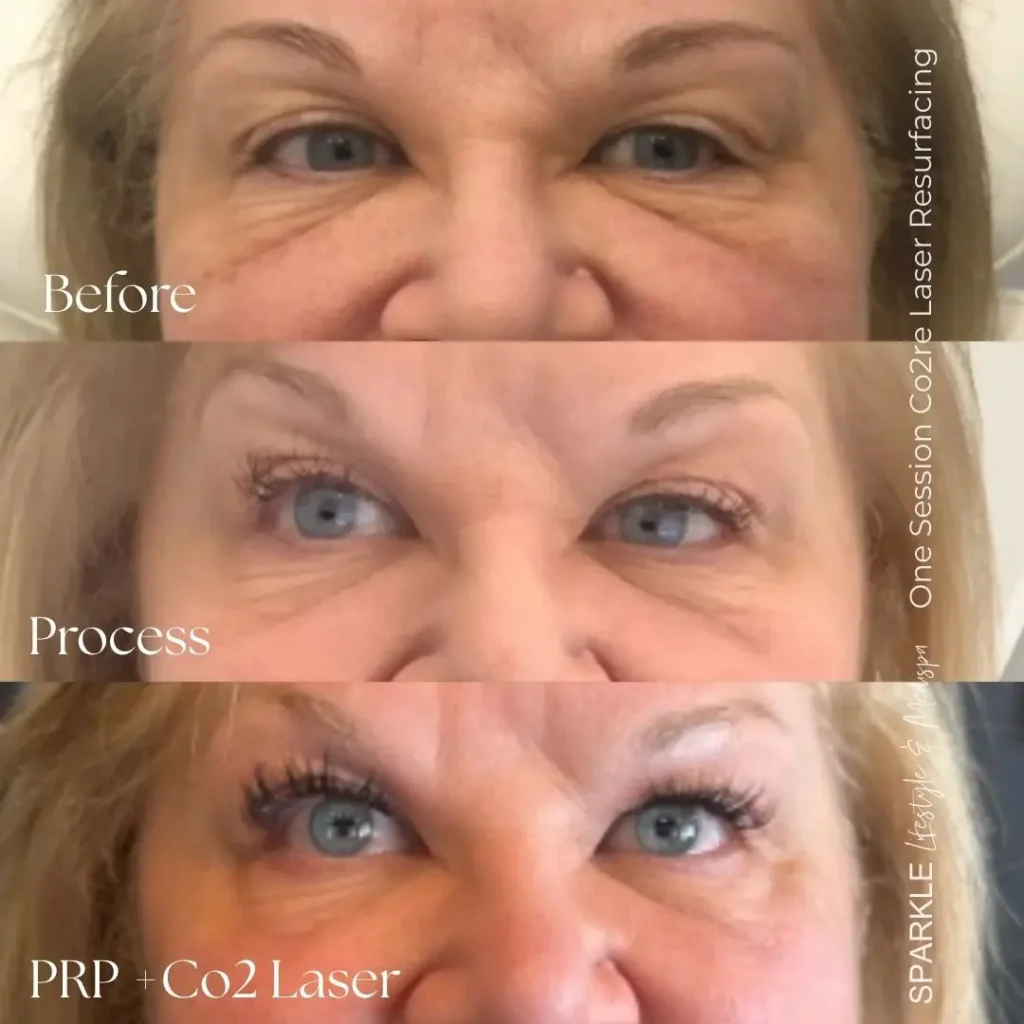
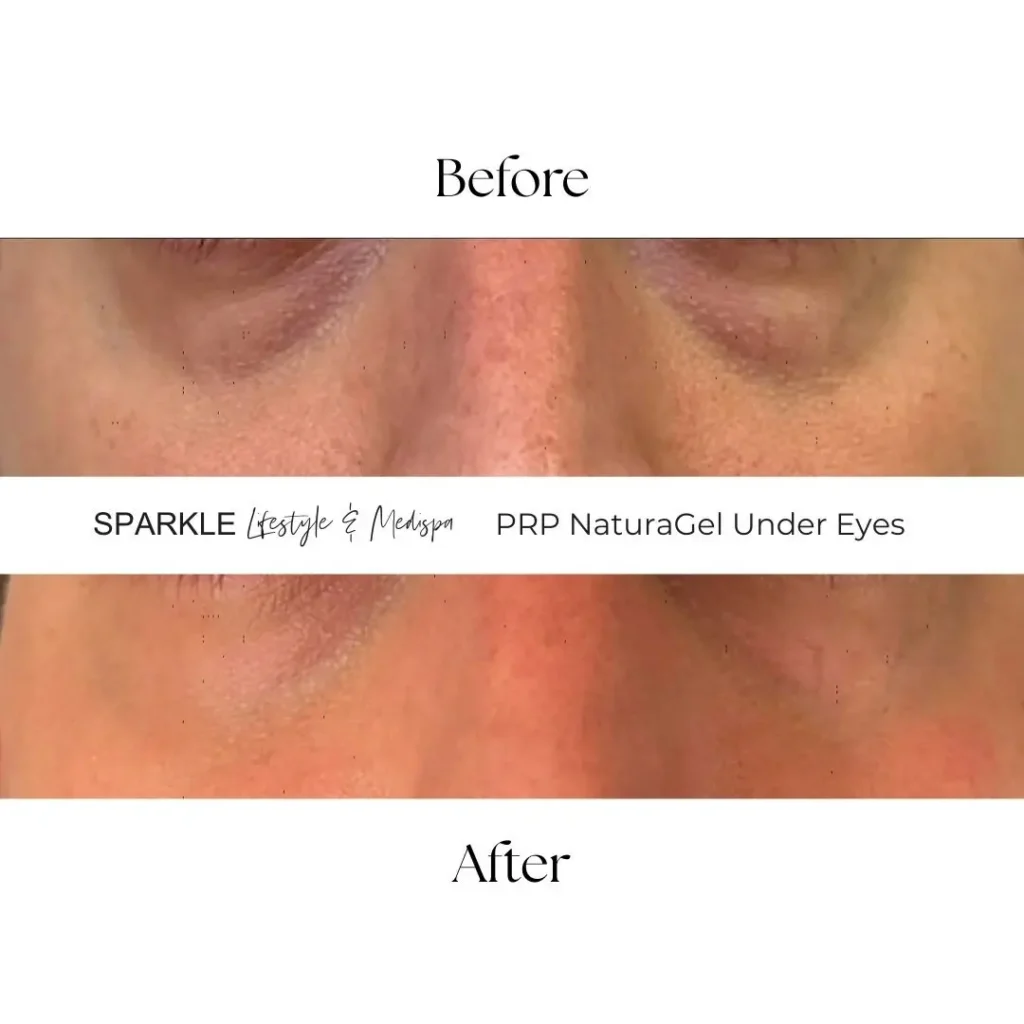
Before and after photos are for educational purposes only and do not guarantee individual results. PRP outcomes vary based on concern, health factors, platelet quality, treatment series, and aftercare.
The Sparkle Process
What to expect during your PRP treatment.
01 Consultation
We assess your concern, health history, candidacy, goals, and recommended PRP protocol.
02 The Draw
A small blood sample is taken, similar to a routine lab test.
03 The Spin
Your blood is processed in a centrifuge to prepare platelet-rich plasma.
04 Treatment
PRP is delivered by injection, microneedling, or another method based on your plan.
05 Recovery
Downtime depends on the treatment area and method. We review aftercare before you leave.
Schedule a Consultation
Schedule your consultation and experience the SPARKLE difference, where expertise meets artistry, and science meets care.
Results Timeline
PRP results, when they occur, are gradual and treatment-specific.
Early recovery
Temporary redness, tenderness, swelling, bruising, tightness, pinpoint bleeding, or scalp sensitivity can occur depending on the delivery method and treatment area.
Following weeks
Some clients begin to notice skin-quality changes over the following weeks, but there is no single reliable timeline that applies to every PRP preparation or treatment area.
Over a treatment series
For concerns such as skin texture, scars, or under-eye skin quality, providers may recommend more than one treatment. Response should be reviewed before continuing a series.
Hair plans take longer
Hair-focused PRP plans generally require longer follow-up because hair growth cycles are slow. The cause of hair loss should also be considered before judging response.
Individual results vary. A series is common for some PRP indications but is not automatically necessary for every client. Treatment response depends on the concern, PRP preparation, delivery method, health factors, concurrent treatments, and follow-up.
Pre & Post-Care Guide
How to support the best PRP experience.
Before Your Appointment
Tell your provider about prescription medications, over-the-counter drugs, supplements, bleeding or clotting concerns, and previous reactions. Do not stop prescribed medication or medically necessary therapy unless the prescribing clinician instructs you to do so.
Day of Treatment
Follow the preparation instructions given for your specific treatment area. Hydration and eating beforehand may help some clients tolerate a blood draw, while scalp and skin preparation instructions vary by treatment plan.
After Treatment
Follow the aftercare instructions for your specific treatment area and delivery method. Avoid manipulating the treated area unless your provider tells you otherwise, and contact the clinic if you develop unexpected or concerning symptoms.
What Can Be Normal
Temporary redness, tenderness, bruising, swelling, pinpoint bleeding, dryness or flaking after microneedling, and scalp sensitivity can occur. Recovery varies by treatment type; follow the instructions provided for your procedure.
Pricing & Packages
Many PRP plans use a treatment series.
The recommended number of sessions depends on the treatment indication, response, PRP preparation, delivery method, and whether PRP is being used alone or with another procedure. Some plans use a series; others are reassessed after an initial treatment.
$450+
Facial and under-eye PRP starts at $450 per session.
$600+
Hair restoration PRP starts at $600 per session.
Packages
Package options may be available when a multi-session plan is recommended. Confirm current package pricing during consultation.
Exact pricing and recommended number of sessions are confirmed during consultation. Results are not guaranteed and vary by candidate, treatment area, protocol, and aftercare.
Reviews & Patient Research
What clients want to know before trying PRP.
PRP is used in several aesthetic contexts, but results vary by indication, preparation method, delivery technique, and individual factors. Client reviews can describe experience, not predict your outcome. Your candidacy and expected benefit should be assessed clinically.


Safety, Risks & Contraindications
PRP comes from your own blood, but screening and sterile technique still matter.
PRP procedures involve a blood draw and either injection, microneedling, or another treatment-specific delivery method. Temporary reactions and less common complications are possible, so health screening, sterile technique, informed consent, and individualized aftercare are important.
Common temporary effects
Possible temporary effects include redness, swelling, bruising, tenderness, pinpoint bleeding, scalp sensitivity, tightness, or dryness/flaking after microneedling. Risks vary by treatment area and delivery method.
Contraindications
PRP may need to be deferred or avoided depending on blood or platelet disorders, active infection, pregnancy or breastfeeding, active cancer treatment, anemia, medications, immune status, or other medical factors. Your provider will review these individually.
Clinical review
Your provider reviews health history, medications, treatment area, expectations, infection risk, healing factors, and whether PRP is appropriate. Hair loss, unexplained skin changes, or other medical concerns may need assessment outside an aesthetic treatment plan.
Frequently Asked Questions
PRP questions, answered.
Real answers to the questions people ask before booking PRP treatment in Moncton, Dieppe, and Riverview.
Ready to see if PRP makes sense for your goals?
Book a free consultation and we’ll assess your concern, health history, candidacy, treatment area, options, current pricing, and whether PRP is an appropriate part of your plan before you commit.