
Vaginal Collagen Loss: Symptoms, Causes & Treatment Options
Vaginal dryness, discomfort, laxity, irritation, painful intimacy, or urinary leakage can feel isolating — but they are also common concerns. Changes in collagen, estrogen, childbirth, aging, perimenopause, and menopause can all affect vaginal tissue health over time.
Quick Answer
Collagen is one part of vulvar and vaginal tissue structure, elasticity, hydration, comfort, and resilience.
Dryness, discomfort, painful intimacy, laxity concerns, and urinary leakage can have several causes, including hormonal, pelvic-floor, dermatologic, infectious, neurologic, medication-related, and other medical factors.
In short: Changes in vulvar and vaginal tissue may affect support, elasticity, hydration, and comfort, but they should not automatically be attributed to collagen loss. Symptoms may include dryness, irritation, laxity, discomfort with intimacy, and urinary leakage. These symptoms can overlap with genitourinary syndrome of menopause, pelvic floor dysfunction, postpartum changes, skin conditions, infections, hormonal changes, or other medical concerns, so assessment matters. At Sparkle, intimate health treatment planning is consultation-first and supported by OBGYN medical oversight.
The Basics
What is vaginal collagen?
Collagen is a structural protein that helps support connective tissue throughout the body, including vulvar and vaginal tissue. In vulvar and vaginal tissue, collagen contributes to connective-tissue structure alongside elastin, blood flow, hormones, hydration, nerves, mucosal health, and pelvic-floor function.
When tissue health changes, some people may experience dryness, irritation, reduced elasticity, sensitivity, or discomfort. For some women, this shows up as daily discomfort. For others, it becomes noticeable during intimacy, exercise, or after childbirth or menopause.
Support
Collagen contributes to tissue structure and support.
Elasticity
Healthy connective tissue helps with flexibility and stretch.
Hydration
Tissue quality can affect moisture, lubrication, and comfort.
Resilience
Resilient tissue may feel more comfortable during movement, intimacy, and daily life.
Why It Happens
What causes vaginal collagen and tissue changes?
Vaginal tissue can change gradually over time. Collagen, estrogen levels, blood flow, pelvic floor function, childbirth, aging, and menopause can all play a role.
Hormonal shifts
Perimenopause, menopause, breastfeeding, and lower estrogen can affect tissue quality and lubrication.
Pregnancy & childbirth
Stretching, healing, scar tissue, and pelvic floor changes can affect intimate comfort and support.
Aging
Collagen and connective tissue support naturally change with age.
Pelvic floor function
Muscle tone, coordination, tension, and weakness can affect symptoms and treatment planning.
Symptoms
Common symptoms linked to vaginal tissue changes.
Vaginal collagen loss is not the only possible cause of these symptoms. Dryness, discomfort, urinary leakage, and painful intimacy can also be related to hormones, pelvic floor function, infections, dermatologic conditions, medications, trauma history, or other medical concerns.
Dryness
Less natural lubrication, friction, or daily dryness.
Discomfort
Irritation, sensitivity, burning, friction, or discomfort with daily activities.
Painful intimacy
Pain, burning, tightness, tearing sensation, or reduced comfort with intercourse.
Urinary leakage
Stress leakage with coughing, jumping, laughing, exercise, or pressure.
Please do not self-diagnose. New pain, bleeding, unusual discharge, odour, infection symptoms, pelvic pain, urinary symptoms, or sudden changes should be assessed by an appropriate medical provider.
Menopause & Tissue Health
Vaginal collagen loss and genitourinary syndrome of menopause.
Many vaginal and urinary symptoms around menopause are now described under the term genitourinary syndrome of menopause, often shortened to GSM. GSM can include vaginal dryness, burning, discomfort, painful intercourse, urinary urgency, recurrent urinary symptoms, and tissue changes related to lower estrogen.
Not every client with intimate symptoms is menopausal, and not every symptom is caused by collagen loss. That is why assessment matters before choosing treatment.
Results
What results can you expect?
Any change is variable and may be limited. Some clients report changes in comfort or dryness, while others may not benefit or may need medical, hormonal, pelvic-floor, dermatologic, or other care instead. Results depend on the cause of symptoms, hormones, pelvic floor function, baseline tissue health, treatment selection, and consistency.
Gradual
When improvement occurs, timing varies by diagnosis, treatment, tissue condition, hormones, and follow-up care.
Individual
Symptoms, hormones, childbirth history, tissue quality, and pelvic floor function all matter.
Not guaranteed
No intimate health treatment should be sold as a guaranteed cure for dryness, laxity, pain, or leakage.
Plan-based
The plan may involve no procedure, one procedure, a series, medical treatment, pelvic-floor care, or referral depending on assessment.
Safety First
Why medical oversight matters for intimate health treatments.
Intimate symptoms deserve more than a quick “tightening” treatment. Dryness, pain, urinary leakage, burning, bleeding, or discomfort can have different causes, and not all of them should be treated with laser or PRP.
At Sparkle Lifestyle & MediSpa in Moncton, intimate health planning is supported by OBGYN medical oversight so symptoms can be approached with safety, privacy, and appropriate clinical judgment.
Private consultation
Your symptoms, goals, comfort level, and medical history are reviewed respectfully.
Medical screening
Symptoms that need medical assessment are identified before treatment planning.
Realistic expectations
We avoid guaranteed cure language and explain what treatment can and cannot promise.
Follow-up mindset
If symptoms change, worsen, or do not respond as expected, reassessment matters.
The Sparkle Perspective
Your symptoms are real. The plan should be smarter than “just tighten it.”
We do not love shame-based “rejuvenation” language. You are not broken. Your body changed, your tissue changed, your hormones changed, or your pelvic floor changed — and the goal is to understand what is actually happening before choosing a treatment.
At Sparkle, intimate health care is private, respectful, and consultation-first. Cute marketing is not the goal. Comfortable, informed, medically guided care is.
Frequently Asked Questions
Vaginal collagen loss, answered.
Clear answers about vaginal collagen, dryness, tissue health, laser, PRP, and intimate wellness treatment planning.
Private. Medical. Respectful.
Ready to talk about intimate health without the awkward marketing?
We will review your symptoms, goals, comfort level, medical history, hormones, pelvic floor factors, and treatment options before recommending a plan.
OBGYN-Led Intimate Health · Moncton NB
Explore Sparkle’s Intimate Health Treatments
Dryness, discomfort, urinary leakage, tissue changes, libido concerns, painful intimacy, and postpartum or menopause-related changes deserve more than awkward marketing. At Sparkle, intimate health care is private, consultation-first, and supported by OBGYN medical oversight.
Not every treatment is right for every symptom. Your provider may recommend medical assessment, pelvic floor support, hormone-related options, PRP, laser, radiofrequency, Emsella, or referral depending on your symptoms, goals, medical history, and comfort level.

CO2RE Intima™ Vaginal Laser
A fractional CO₂ laser treatment that may be considered for selected vaginal or vulvar tissue concerns after consultation and medical screening.
- May support tissue quality and comfort
- Can be discussed for dryness or sensitivity concerns
- Consultation required; results vary

TempSure® Vitalia
A radiofrequency-based intimate wellness treatment that uses controlled heat and may be considered for selected external or internal tissue concerns.
- May support comfort and tissue quality
- Non-surgical treatment option
- Provider assessment required

PRP Clitoral Treatment® / Intimate PRP
A PRP-based treatment using platelet-rich plasma from your own blood, considered for selected intimate tissue, comfort, or sensitivity concerns.
- Uses your own platelet-rich plasma
- May support tissue quality and healing response
- Candidacy and results vary
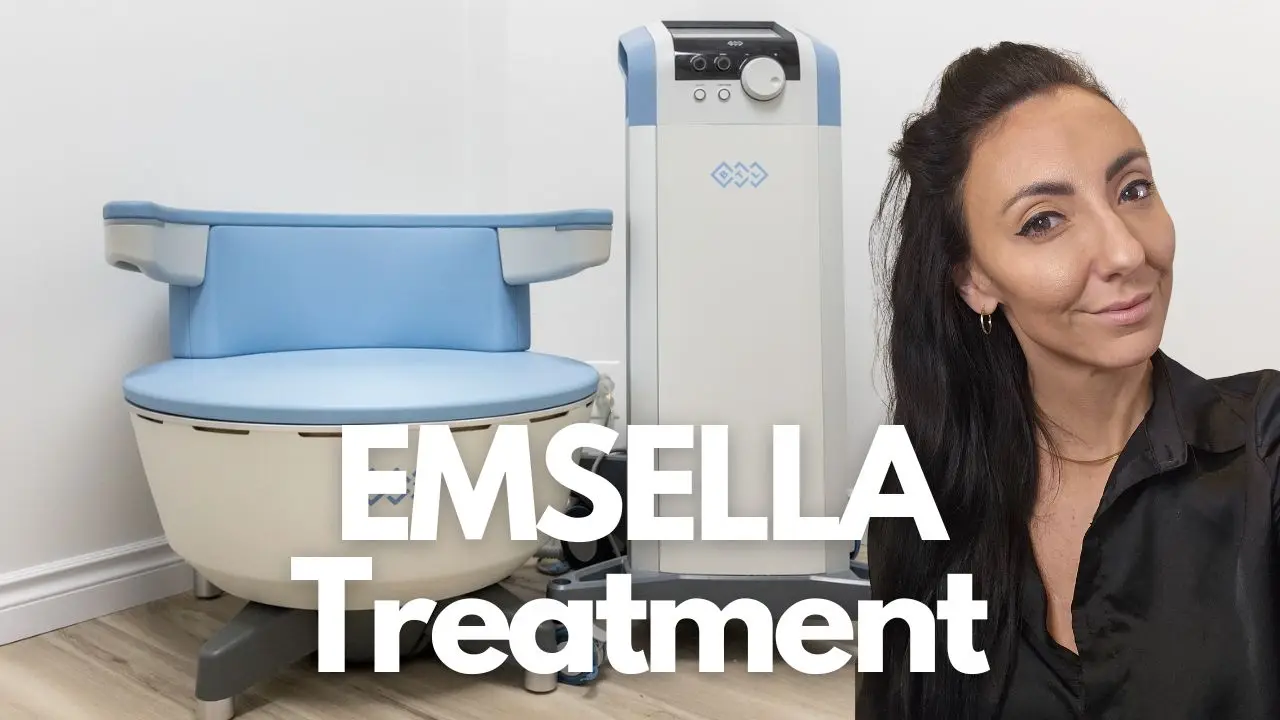
Emsella® Pelvic Floor Chair
A non-invasive pelvic floor treatment using high-intensity electromagnetic energy to stimulate pelvic floor muscle contractions while you remain fully clothed.
- May support stress urinary leakage concerns
- Targets pelvic floor muscle activation
- No undressing required for treatment

Labial PRP and Filler®
A personalized labial rejuvenation-style treatment using PRP and/or filler techniques to address selected external tissue volume or texture concerns.
- May support external tissue volume concerns
- Designed for selected labia majora concerns
- Requires private consultation and assessment

Sexual Health Consultation
A private consultation to discuss concerns such as libido, menopause, hormonal changes, dryness, discomfort, pain, urinary symptoms, or intimacy changes.
- Private, respectful conversation
- OBGYN-led intimate health support
- Treatment planning or referral when appropriate
Private. Medical. No Shame.
Not sure which intimate health treatment fits your concern?
Start with a consultation. We’ll review your symptoms, comfort level, medical history, pelvic floor factors, hormone-related changes, and goals before recommending a plan.