
PRP for Acne Scars · Moncton & Dieppe NB
PRP for Acne Scars in Moncton & Dieppe
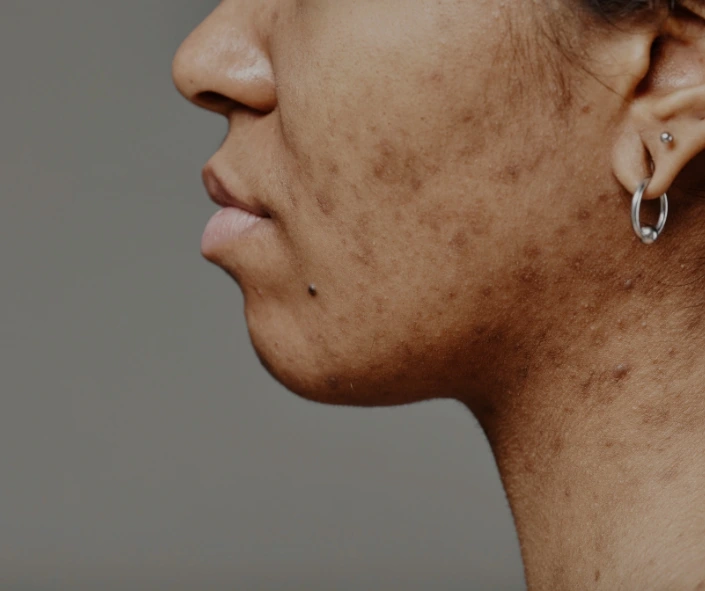
Smoother texture. Collagen support. Your own plasma, used with purpose. PRP for acne scars uses platelet-rich plasma from your own blood to support skin repair, collagen remodeling, and overall texture improvement. At Sparkle Lifestyle & MediSpa in Moncton, PRP is commonly paired with microneedling for acne scar texture, shallow pitting, post-acne redness, uneven tone, and skin that looks tired after years of breakouts.
3–4
Sessions
4–6
Weeks Apart
24–72h
Social Downtime
Natural
Autologous PRP
Medical Aesthetics · Moncton NB
Consultation-based treatment planning under medical aesthetics protocols.
In short: PRP for acne scars is a regenerative skin treatment that uses platelet-rich plasma from your own blood to support collagen production and skin repair. At Sparkle Lifestyle & MediSpa in Moncton, PRP is often combined with microneedling to improve acne scar texture, shallow pitting, redness, uneven tone, and overall glow. Most clients need a series of 3 to 4 treatments spaced 4 to 6 weeks apart. Results build gradually and vary based on scar type, skin health, collagen response, acne activity, and home care.
How It Works
PRP supports the skin’s repair response where acne left texture behind.
PRP stands for platelet-rich plasma. During treatment, a small blood sample is drawn and processed to concentrate platelets in your plasma. These platelets contain growth factors involved in healing and tissue repair.
When PRP is applied during microneedling, the micro-channels help deliver the plasma across the treatment area while microneedling creates a controlled skin-repair response. Together, the goal is to support new collagen, soften the look of shallow acne scars, and improve overall texture and tone over time.
Texture support
PRP with microneedling can help soften the look of uneven texture and shallow acne scarring by supporting collagen remodeling.
Tone and redness
As skin quality improves, some clients notice a more even-looking tone, healthier glow, and less visible post-acne discoloration.
Gradual results
Collagen takes time. PRP is not an instant filler effect; improvements typically build slowly across the series and continue as skin remodels.
Realistic expectation: PRP can improve the look of acne scars, but it does not erase every scar. Deeper rolling scars, boxcar scars, ice-pick scars, tethered scars, and active acne may need a combination plan with treatments such as CO2 laser resurfacing, RF microneedling, subcision referral, peels, or medical-grade skincare.
Scar Types & Candidacy
Which acne scars respond best to PRP?
Often a good fit
Shallow pitted scars
Mild to moderate texture irregularities and shallow indents may improve with a consistent PRP microneedling series.
May help
Post-acne redness or uneven tone
PRP may support healthier-looking skin and tone, especially when paired with the right skincare plan.
Combination plan
Deeper rolling or boxcar scars
Deeper scars often need more collagen stimulation or resurfacing, such as Potenza RF microneedling or CO2RE laser.
Treat acne first
Active inflammatory acne
If you are actively breaking out, we may recommend calming acne first before microneedling or resurfacing scar-focused treatments.
The Sparkle Process
What to expect during PRP for acne scars.
01
Consultation
We assess your scar type, acne activity, skin tone, sensitivity, history of pigmentation, skincare routine, goals, budget, and downtime tolerance.
02
Blood draw + PRP prep
A small blood sample is collected and processed in a centrifuge to separate and concentrate your platelet-rich plasma.
03
Microneedling + PRP
Microneedling creates controlled micro-channels while PRP is applied across the treatment area to support the repair process.
04
Healing + series plan
You receive aftercare instructions and a recommended timeline. Most acne scar plans involve multiple sessions for cumulative collagen support.
PRP vs Other Acne Scar Treatments
PRP is beautiful. But it is not always the whole plan.
Acne scars are not all the same, so the best treatment depends on whether the main issue is texture, pigment, redness, enlarged pores, scar depth, active acne, or skin sensitivity.
PRP + Microneedling
Best for mild to moderate texture, early scarring, dullness, and clients who want regenerative support with less downtime.
CO2RE Laser
Best for more visible texture, deeper resurfacing goals, etched scars, and clients who can commit to more downtime. Explore CO2RE.
Potenza RF Microneedling
Best for collagen stimulation, firming, pores, and texture when radiofrequency energy is appropriate. Explore Potenza.
Decision Guide
Choose PRP when you want a regenerative, lower-downtime starting point.
- You have mild to moderate acne scarring.
- You want texture and glow improvement without aggressive resurfacing.
- Your skin is sensitive or you prefer a gradual approach.
- You are open to a series and realistic, progressive results.
Results Timeline
When will you see results from PRP for acne scars?
PRP acne scar results are gradual because collagen remodeling takes time. You may notice early glow and smoother-feeling skin before deeper texture changes become visible.
Days 1–3
Redness, warmth, tightness, pinpoint marks, and mild sensitivity are expected. Skin usually begins calming within a few days.
Week 1
Skin may look fresher and feel smoother as early healing settles, especially with proper aftercare and hydration.
4–12 Weeks
Collagen remodeling continues. Texture changes are usually more noticeable after multiple sessions rather than after one treatment.
After Series
Most clients reassess after 3 to 4 sessions to decide whether to continue PRP or layer in laser, RF microneedling, peels, or skincare.
Pre-Care · Post-Care · Safety
How to prepare for PRP microneedling for acne scars.
Preparation and aftercare matter. The goal is to keep your skin barrier calm, reduce irritation risk, and support a smoother recovery.
Before treatment
- Avoid tanning, sunburn, and self-tanner before your visit.
- Pause retinol, exfoliating acids, scrubs, and strong actives as directed.
- Tell us about medications, blood thinners, supplements, pregnancy, breastfeeding, cold sores, active acne, recent procedures, or skin infections.
- Arrive hydrated and avoid alcohol the day before when possible.
Day of treatment
- Come with clean skin and no makeup on the treatment area.
- Expect a blood draw, PRP preparation, skin cleansing, and microneedling with PRP application.
- Your skin may feel warm, tight, and sensitive immediately after.
- Your provider will confirm what to apply and what to avoid before you leave.
After treatment
- Avoid makeup, heat, sweating, hot tubs, saunas, exfoliants, retinol, and harsh products until your provider says it is safe.
- Use gentle cleanser, bland moisturizer, and mineral SPF when appropriate.
- Do not pick, scrub, or peel the skin.
- Contact the clinic if you notice worsening pain, blistering, pus, spreading redness, signs of infection, or anything that worries you.
Medical note: PRP acne scar treatment is not appropriate for everyone. Treatment may be delayed or declined if you have active infection, uncontrolled inflammatory acne in the area, certain blood or clotting conditions, recent isotretinoin use, significant sunburn, open wounds, or other contraindications identified during consultation.
Why Choose Sparkle
Acne scar treatment should be honest, layered, and personalized.
We plan by scar type
We do not sell one treatment for every scar. We assess whether PRP, RF microneedling, CO2 laser, peels, skincare, or referral is the better starting point.
We protect your barrier
Scar treatments work best when your skin barrier is respected. We review skincare, sun exposure, irritation, pigmentation risk, and downtime before treatment.
We serve Moncton, Dieppe & Riverview
Sparkle has supported clients in Southeastern New Brunswick since 2012 with consultation-based medical aesthetics and skin treatment planning.
Frequently Asked Questions
PRP for acne scars questions, answered.
Real answers for clients researching acne scar treatment in Moncton, Dieppe, Riverview, and surrounding New Brunswick.
Ready to build a realistic acne scar plan?
Book a consultation and we’ll assess your skin, scar type, acne activity, goals, downtime, and best treatment path before you commit.