Laser Hair Removal Safety · Moncton NB
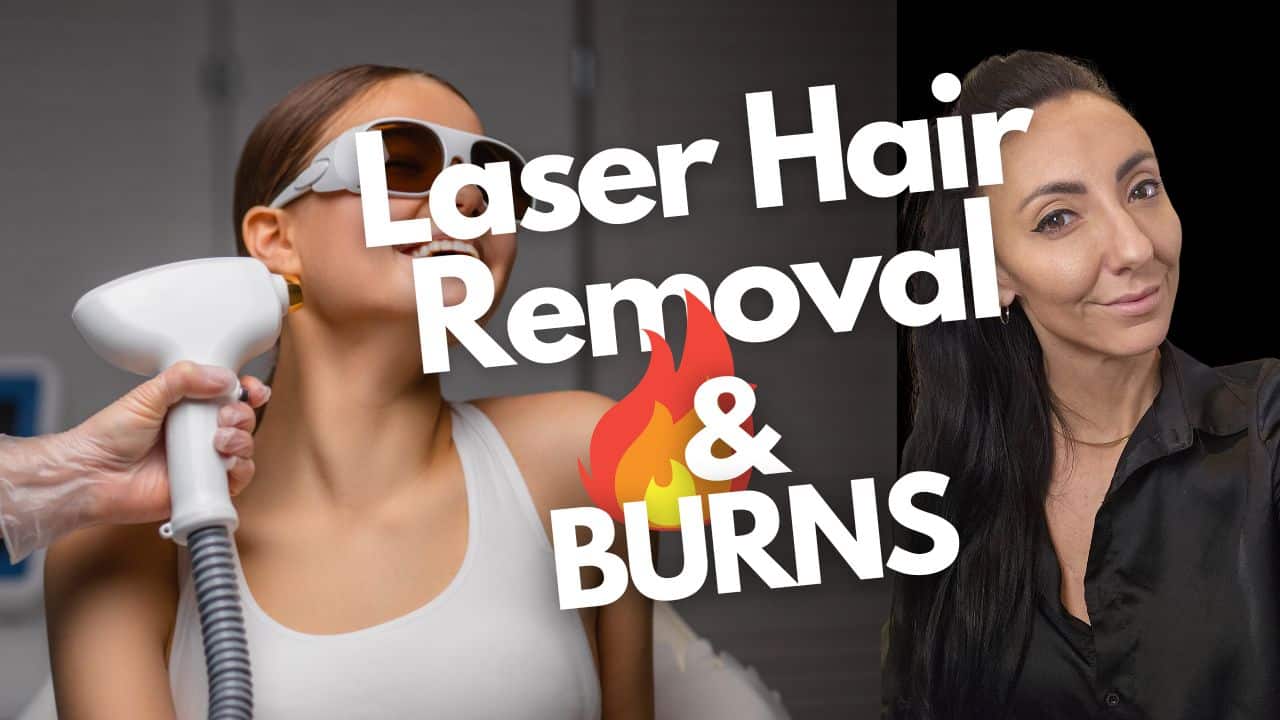
Laser Hair Removal Burns: What’s Normal, What’s Not, and What to Do
Laser hair removal is safe when performed with the right technology, settings, screening, and aftercare — but burns can happen when the skin absorbs too much heat. This guide explains what is normal after laser hair removal, what may be a warning sign, why burns happen, how to reduce your risk, and when to contact your provider.
Redness
Can Be Normal
Blisters
Call Provider
No Tan
Before Laser
Moncton
Dieppe · Riverview
Safety Note
If you have blistering, open skin, worsening pain, drainage, or signs of infection, contact your provider promptly.
For severe symptoms or urgent concerns, seek medical care.
In short: Laser hair removal burns can happen when too much heat is absorbed by the skin instead of the hair follicle. Mild redness, warmth, and swelling around follicles can be normal after treatment. Blistering, crusting, severe or worsening pain, open skin, unusual swelling, drainage, or pigment changes should be reported to your provider. The risk of burns increases with recent tanning, sun exposure, incorrect laser settings, photosensitizing medications, poor skin assessment, and using the wrong technology for the client’s skin tone.
Normal vs. Not Normal
What should your skin look like after laser hair removal?
Some temporary skin reaction is expected after laser hair removal. The goal is controlled heat in the follicle, so the area may look pink, warm, or slightly swollen around the hair follicles for a short period of time.
Common reaction
Mild redness, warmth, tenderness, or small bumps around follicles. This often feels like a mild sunburn and usually improves with gentle cooling.
Possible burn sign
Intense or worsening redness, grid-like marks, strong stinging, dark patches, crusting, blisters, or skin that feels increasingly painful.
Contact provider
Call your provider if symptoms are severe, worsening, blistering, open, draining, unusually swollen, or if you are worried something is not healing normally.
Why Burns Happen
A laser burn happens when the skin absorbs too much heat.
Laser hair removal targets pigment in the hair. If extra pigment is present in the skin, or if the wrong settings are used, the skin surface can absorb too much energy. This is why consultation, screening, wavelength selection, and aftercare matter.
Recent sun or tanning
A tan means more pigment is active in the skin. This increases the chance that the skin absorbs heat instead of only the follicle.
Medication or skincare changes
Some medications and active skincare products can make skin more sensitive. Always update your provider before each visit.
Wrong settings
Settings should be chosen based on skin tone, hair colour, hair density, treatment area, recent sun exposure, and skin response.
Wrong technology
Different skin tones and hair types require different approaches. Technology, wavelength, cooling, and provider training all matter.
What To Do
What to do if you think you have a laser hair removal burn.
If you are concerned about your skin after laser hair removal, contact the clinic or provider that treated you. They need to document the reaction, guide your aftercare, and tell you whether medical care is needed.
1. Cool the skin gently
Use a cool compress. Do not apply ice directly to the skin and do not use heat to “calm it down.”
2. Avoid heat and friction
Avoid hot showers, saunas, steam rooms, hot tubs, intense workouts, scrubs, exfoliants, retinoids, and tight clothing until the skin is calm.
3. Protect from sun
Keep the area out of direct sun and follow your provider’s SPF instructions. Sun exposure can increase the risk of dark or light pigment changes.
When to seek help: Contact your provider if you notice blistering, crusting, open skin, worsening redness, increasing pain, unusual swelling, drainage, pus, fever, red streaking, or pigment changes. For severe symptoms or urgent concerns, seek medical care immediately.
Prevention
How to reduce the risk of laser hair removal burns.
Burn prevention starts before the appointment. The safest laser hair removal plans are based on your skin tone, hair colour, treatment area, medical history, medications, skincare, and recent sun exposure.
Avoid tanning
Avoid sun tanning, tanning beds, and self-tanner before treatment. Tell your provider if you had recent sun exposure.
Update your provider
Share new medications, supplements, antibiotics, retinoids, active skincare, recent procedures, or skin irritation before each session.
Choose proper technology
Medical-grade laser technology, wavelength selection, cooling, and provider training are important for safer treatments.
Follow aftercare
Avoid heat, friction, sun exposure, and strong actives after treatment. Use gentle skincare and follow clinic instructions.
The Sparkle Approach
Safety starts before the laser is ever turned on.
At Sparkle Lifestyle & MediSpa, your provider reviews your skin tone, recent sun exposure, tanning history, medication changes, active skincare, treatment area, hair colour, and past laser reactions before choosing settings.
We use medical-grade laser technology, including Candela GentleMax Pro, with cooling support and treatment protocols designed to reduce the risk of overheating the skin. No laser treatment is risk-free, but careful screening, correct wavelength selection, conservative settings, and clear aftercare help make treatment safer.
Safety Checklist
- Skin tone and hair assessment
- Recent sun and tanning review
- Medication and skincare update
- Wavelength and setting selection
- Cooling support and skin monitoring
- Clear aftercare instructions
Get $50 Towards Your First Treatment
New to Sparkle? Start with a consultation so we can assess your skin, review safety factors, and recommend the right treatment plan.
Frequently Asked Questions
Laser hair removal burn questions, answered.
Real answers for clients researching laser hair removal safety, side effects, burns, and aftercare in Moncton, Dieppe, Riverview, and surrounding New Brunswick.
Safety-First Laser Hair Removal
Want smoother skin with a safer plan?
Book a consultation at Sparkle Lifestyle & MediSpa in Moncton. We will review your skin, hair, goals, safety factors, and treatment options before recommending your laser hair removal plan.
Laser Hair Removal Education Hub
Everything You Need To Know About Laser Hair Removal
Not sure where to start? Explore our laser hair removal guides on pain, safety, skin tone, pregnancy, shaving, burns, tattoos, cost, treatment areas, and what to expect before booking.
Start Here
New to laser hair removal?
These guides will help you understand how laser works, how to prepare, what it feels like, and what to expect at your first appointment.
Skin Tone, Hair Colour & Candidacy
Cost, Permanence & Alternatives
Still not sure which guide applies to you? Start with a consultation. We’ll assess your skin tone, hair colour, hair thickness, treatment area, sun exposure, medical history, goals, and whether laser hair removal is a good fit.