
Sparkle Lifestyle & MediSpa
Melasma Treatment
Melasma is stubborn, relapse-prone, and deeply personal — which is why it needs a thoughtful plan, not an aggressive quick fix. Sparkle combines skin assessment, PicoWay Resolve when appropriate, medical-grade skincare, pigment-regulating ingredients, PRP support, and long-term sun protection strategy to help manage uneven pigmentation safely.
Est. since 2012
Physician Oversight
All Skin Tones
Moncton · Dieppe · Riverview NB
In short: Melasma is a pigment condition that often appears as brown, tan, or gray-brown facial patches and can be triggered by hormones, pregnancy, birth control, sun exposure, heat, genetics, and inflammation. Melasma is generally managed rather than permanently cured, so treatment focuses on controlling pigment and reducing recurrence. Options may include PicoWay Resolve, medical-grade skincare, hydroquinone when appropriate, Vitamin A/retinoids, Vitamin C, PRP, and strict SPF 50+ sun protection. When PicoWay Resolve is appropriate, a plan may include approximately 3–6 sessions spaced a few weeks apart.
What Is Melasma?
Melasma is pigmentation that needs patience, protection, and a plan.
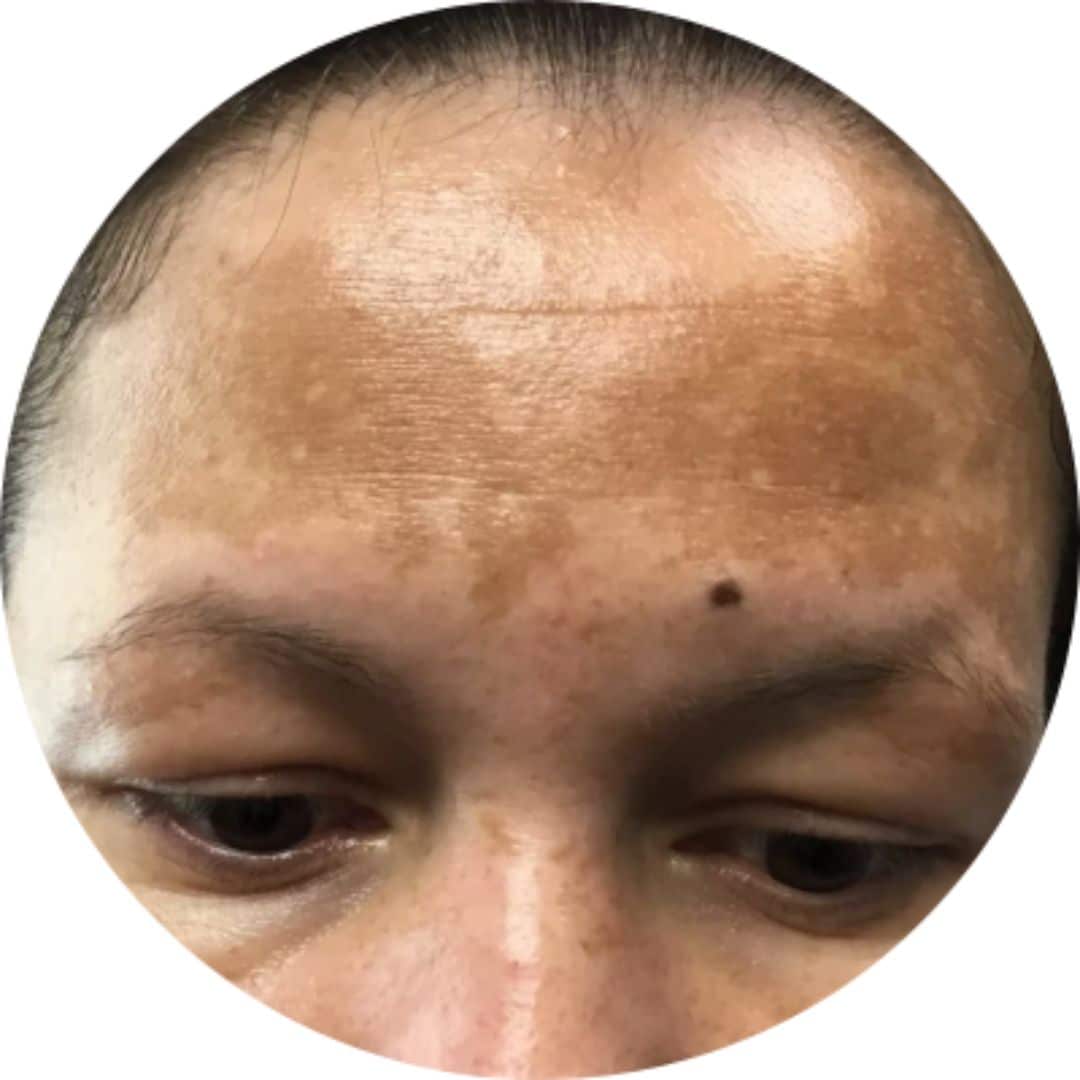
Melasma commonly shows up as brown, tan, or gray-brown patches on the cheeks, forehead, upper lip, nose, and jawline. It can be stubborn because pigment cells may stay reactive to sun, heat, hormones, inflammation, and irritation even after treatment begins.
Hormonal changes
Pregnancy, birth control, perimenopause, menopause, or hormone shifts may trigger pigment.
Sun exposure
UV exposure is one of the biggest drivers of melasma flares and recurrence.
Heat + inflammation
Heat, irritation, aggressive treatments, and inflammation can worsen pigmentation.
Genetics
Some clients are more pigment-prone based on skin type and family history.
Skin barrier
A compromised barrier may tolerate pigment treatment poorly.
Maintenance gaps
Melasma often returns when sunscreen and skincare are inconsistent.
Treatment Plan
The right melasma plan is layered — not aggressive.
Consultation + skin analysis
We assess pigment pattern, triggers, skin type, history, products, sun habits, and treatment risk.
PicoWay Resolve
May be considered for selected pigmentation concerns with conservative settings and proper aftercare.
Medical-grade skincare
A pigment routine may include sunscreen, hydroquinone when appropriate, Vitamin A, Vitamin C, and barrier support.
PRP support
May be discussed as part of a skin-quality and inflammation-support plan for selected clients.
Maintenance strategy
SPF, heat reduction, hats, consistent skincare, and follow-up matter as much as in-clinic treatment.
Adjustment over time
Melasma often needs seasonal changes and treatment pauses to avoid irritation.
PicoWay Resolve
PicoWay Resolve may be considered when pigment needs a careful laser strategy.
PicoWay uses ultra-short picosecond pulses and may be chosen for selected pigmentation concerns. For melasma, the goal is to be conservative and avoid unnecessary heat or inflammation because overly aggressive treatment can worsen pigment in some clients.
How it targets pigment
Laser energy interacts with pigment so the body can gradually clear pigment fragments.
Why settings matter
Melasma can flare with heat or inflammation, so conservative planning is important.
Session range
A treatment plan may include approximately 3–6 sessions spaced a few weeks apart, depending on your skin and response.
Candidacy required
Skin type, tan, medication, pigmentation history, and aftercare all matter.
Medical-Grade Skincare
Your home routine is not optional with melasma.
Melasma treatment usually requires ongoing pigment-regulating skincare and barrier support. A plan may include hydroquinone, Vitamin A/retinoids, and Vitamin C when appropriate. These ingredients must be matched to your skin, tolerance, pregnancy or breastfeeding status, and overall treatment plan.
Hydroquinone
May be used short-term when appropriate to help reduce pigment production. Not right for everyone.
Vitamin A / Retinoids
May support cell turnover and texture, but can irritate if introduced too aggressively.
Vitamin C
May support antioxidant protection and brighter-looking tone when tolerated.
Barrier support
A healthy barrier helps skin tolerate pigment correction more safely.
PRP Support
PRP may support skin quality, but it is not a magic melasma eraser.
PRP may be discussed for selected clients as a supportive part of a skin-quality, healing-response, or inflammation-support plan. It is not a guaranteed pigment-correction treatment and is typically considered as one component of a broader melasma strategy.
Autologous treatment
PRP is prepared from your own blood.
Combination potential
May be paired with laser and skincare when appropriate.
Skin-quality focus
May support texture, radiance-looking improvement, and recovery-looking goals.
Results vary
Pigment response depends on triggers, skin type, inflammation, and maintenance.
Melasma Maintenance
The maintenance plan is the treatment plan.
SPF 50+ every day
Use broad-spectrum SPF daily and reapply when outdoors.
Visible light protection
Tinted mineral SPF may be recommended for some pigment-prone clients.
Hats + shade
Physical protection matters, especially during peak UV exposure.
Heat management
Saunas, hot yoga, intense heat, and overheating may trigger pigment in some clients.
Consistent skincare
Vitamin C, pigment support, retinoids, or hydroquinone cycling may be planned.
Follow-up care
Plans may need seasonal adjustment to avoid irritation and relapse.
What To Expect
Your melasma journey starts with restraint, not intensity.
01
Consultation
We review pigment history, hormones, sun habits, products, skin type, and previous treatments.
02
Pretreatment routine
Your barrier and pigment routine may be prepared before laser or advanced treatments.
03
Treatment plan
Your plan may include PicoWay Resolve, skincare, PRP, or combination care.
04
Aftercare + prevention
SPF, heat avoidance, gentle skincare, and follow-up are essential.
Who May Be a Candidate
A consultation may be right if pigment keeps coming back.
You may be a candidate if you have persistent brown, tan, or gray-brown facial pigmentation and want a guided plan using skincare, sun protection, and selected in-clinic treatments. The safest plan depends on skin type, triggers, and how reactive your pigment is.
When To Wait or Modify
Melasma treatment is not always a yes today.
Treatment may need to be delayed or modified if you are pregnant, breastfeeding, recently tanned, actively irritated, using photosensitizing medications, prone to post-inflammatory hyperpigmentation, or unable to commit to sun protection and maintenance.
Risks + Realistic Expectations
Melasma can improve — and it can also come back.
Possible risks depend on the treatment and may include redness, irritation, dryness, peeling, sensitivity, burns, blistering, post-inflammatory hyperpigmentation, hypopigmentation, melasma flare, under-response, over-response, or unsatisfactory results. Melasma is relapse-prone, so no treatment can guarantee permanent clearance.
Why Sparkle
Because pigment-prone skin needs strategy, not panic.
At Sparkle, melasma treatment is planned carefully around your skin type, pigment pattern, inflammation risk, lifestyle, homecare, and long-term maintenance. We do not chase pigment aggressively when your skin needs barrier support first.
Technology + restraint
PicoWay Resolve may be used conservatively when appropriate.
Skincare strategy
Hydroquinone, Vitamin A, Vitamin C, and barrier support can be planned carefully.
Maintenance focus
Melasma success depends on SPF, heat awareness, and long-term consistency.
Education-led care
You will understand why we choose or avoid certain treatments.
Frequently Asked Questions
Melasma treatment questions, answered.
Helpful answers for clients considering PicoWay Resolve, medical-grade skincare, PRP, hydroquinone, retinoids, Vitamin C, and pigmentation treatment in Moncton, Dieppe, Riverview, and southeastern New Brunswick.
Ready to build a smarter melasma plan?
Book a skin consultation at Sparkle Lifestyle & MediSpa and let us assess your pigment pattern, triggers, skin type, homecare, and treatment options before recommending your next step.