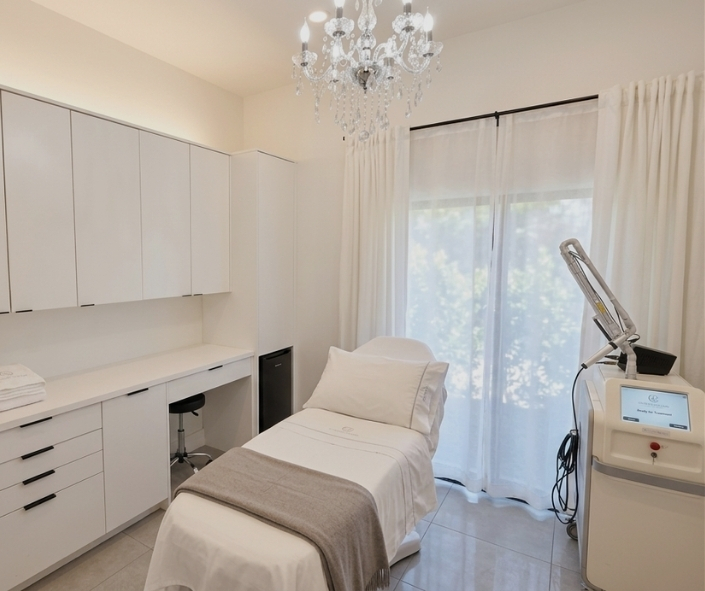
Sparkle Lifestyle & MediSpa · Moncton
Laser Hair Removal in Moncton & Dieppe
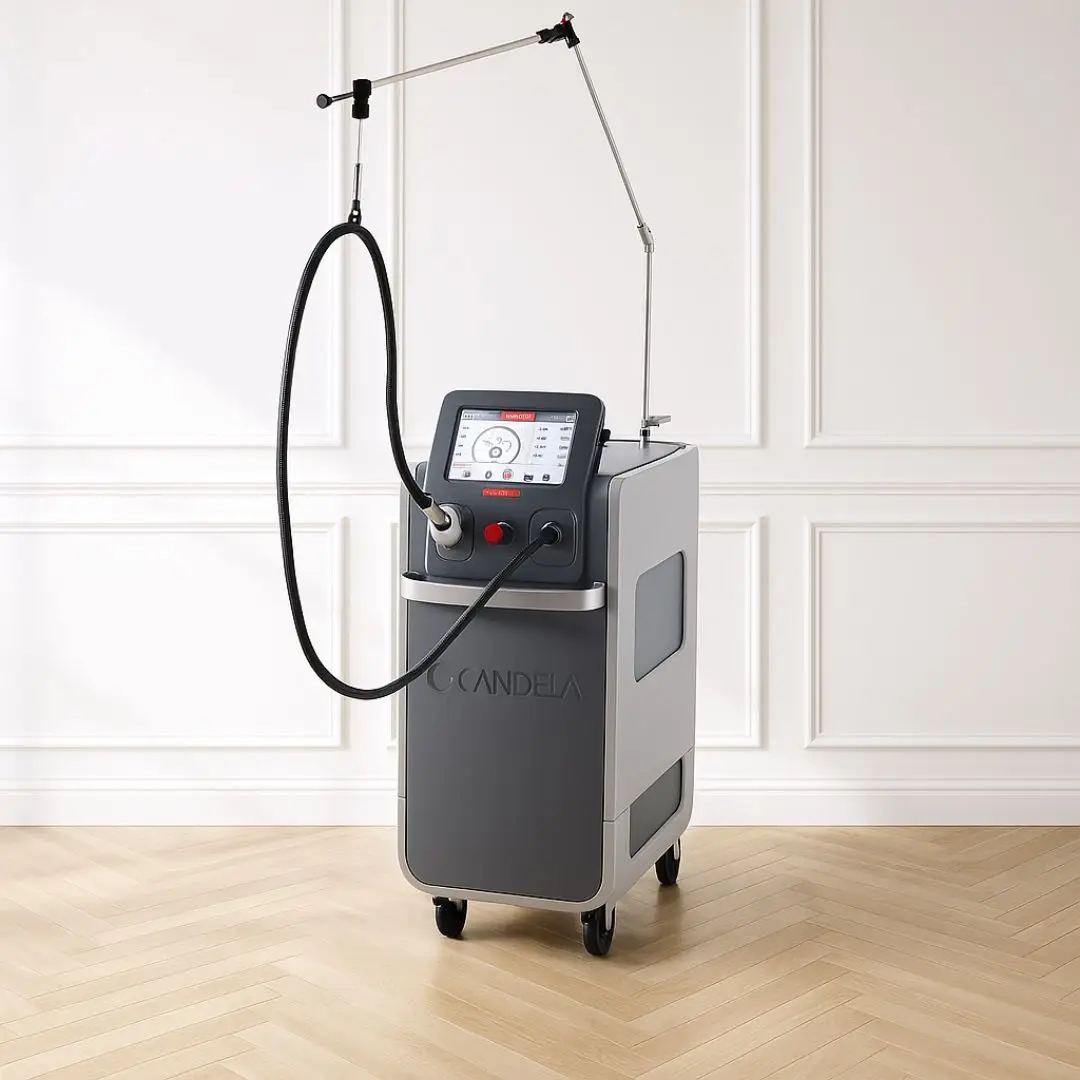
Ready to spend less time shaving? Let’s build a laser hair removal plan around your skin, hair and routine. At Sparkle, we use Candela GentleMax Pro Plus and start with a free consultation—so you know what to expect before you commit.
Book a Laser Hair Removal Consultation
On the booking screen, select “Laser Hair Removal | Consultation” (30 minutes), then choose a date and time. Need help booking? Call (506) 871-4421.
Established in 2012
Candela GentleMax Pro Plus
Free consultations
Moncton · Dieppe · Riverview
Your skin. Your hair. Your plan.
Less shaving starts with the right fit.
Laser targets pigment in actively growing hair follicles. Because hair grows in cycles, reduction builds across a series—not a single appointment. Your skin tone, hair colour, treatment area, hormones and sun exposure all help shape the plan.
GentleMax Pro Plus combines 755nm Alexandrite and 1064nm Nd:YAG wavelengths. Your provider selects the wavelength and settings after assessing your skin and hair; the device is not a substitute for individual screening.
Where would you like to start?
A plan for the areas that matter to you.
Face
Upper lip, chin, jawline, sideburns and neck, where hair has enough pigment to respond.
Bikini & Brazilian
Discuss your preferred treatment area and comfort level at your consultation.
Men’s laser
Back, chest, neck, shoulders and beard-line planning, including thinning goals.
People behind your care
Meet your Sparkle treatment team.
A thoughtful plan starts with someone who listens. Your provider will assess your skin and hair, explain the options and guide you through each visit.




Leadership and education
Madelaine Caissie
Founder & Owner · Clinical Trainer
Madelaine oversees laser hair removal at Sparkle and is a per-diem clinical trainer for Candela Medical. She supports the team’s ongoing education and thoughtful treatment planning.
Through Sparkle Academy, she also offers clinical training for med spa professionals and teams.
The Sparkle process
Clear answers. A plan. Then your next step.
01 Consult
We assess your skin, hair, treatment areas, medical history and goals. Your free consultation includes a quote, session planning and preparation guidance.
02 Treat
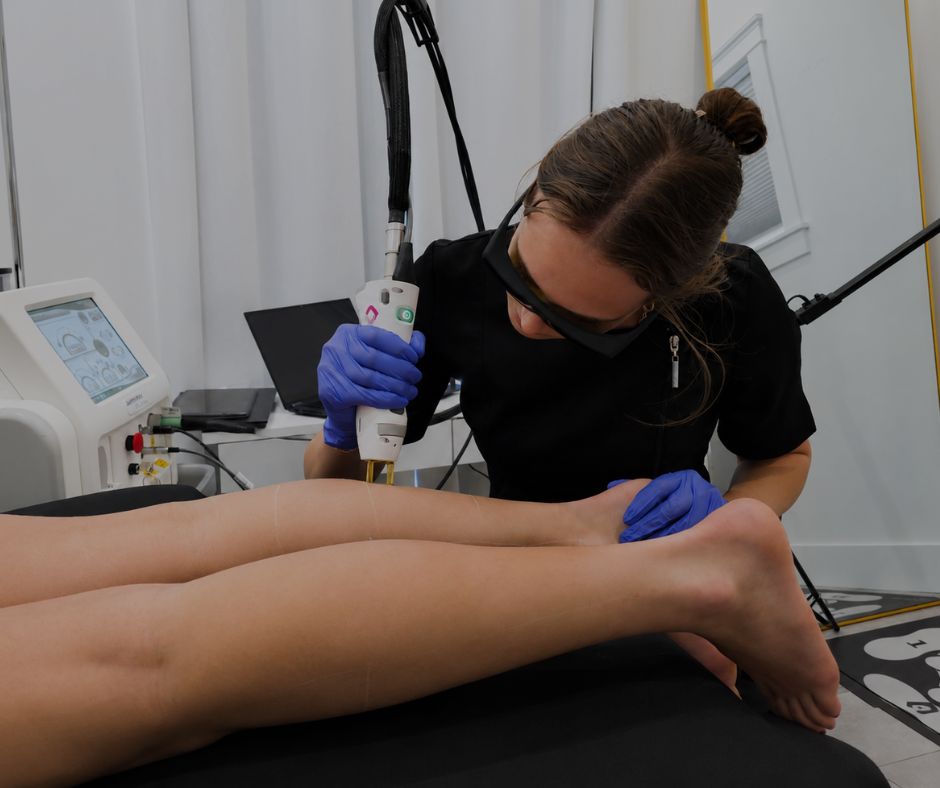
Quick laser pulses target the hair follicle while built-in cooling helps protect the skin surface and support comfort. Settings are selected for your skin that day.
03 Review and maintain
Treated hairs shed in the weeks after treatment. We’ll guide your next appointments, aftercare and any maintenance based on your response.
New Client Offer
Get $50 towards your first laser hair removal treatment.
Claim your voucher, then book your free consultation. We’ll assess your skin and hair, explain the treatment plan and talk through pricing and expectations.
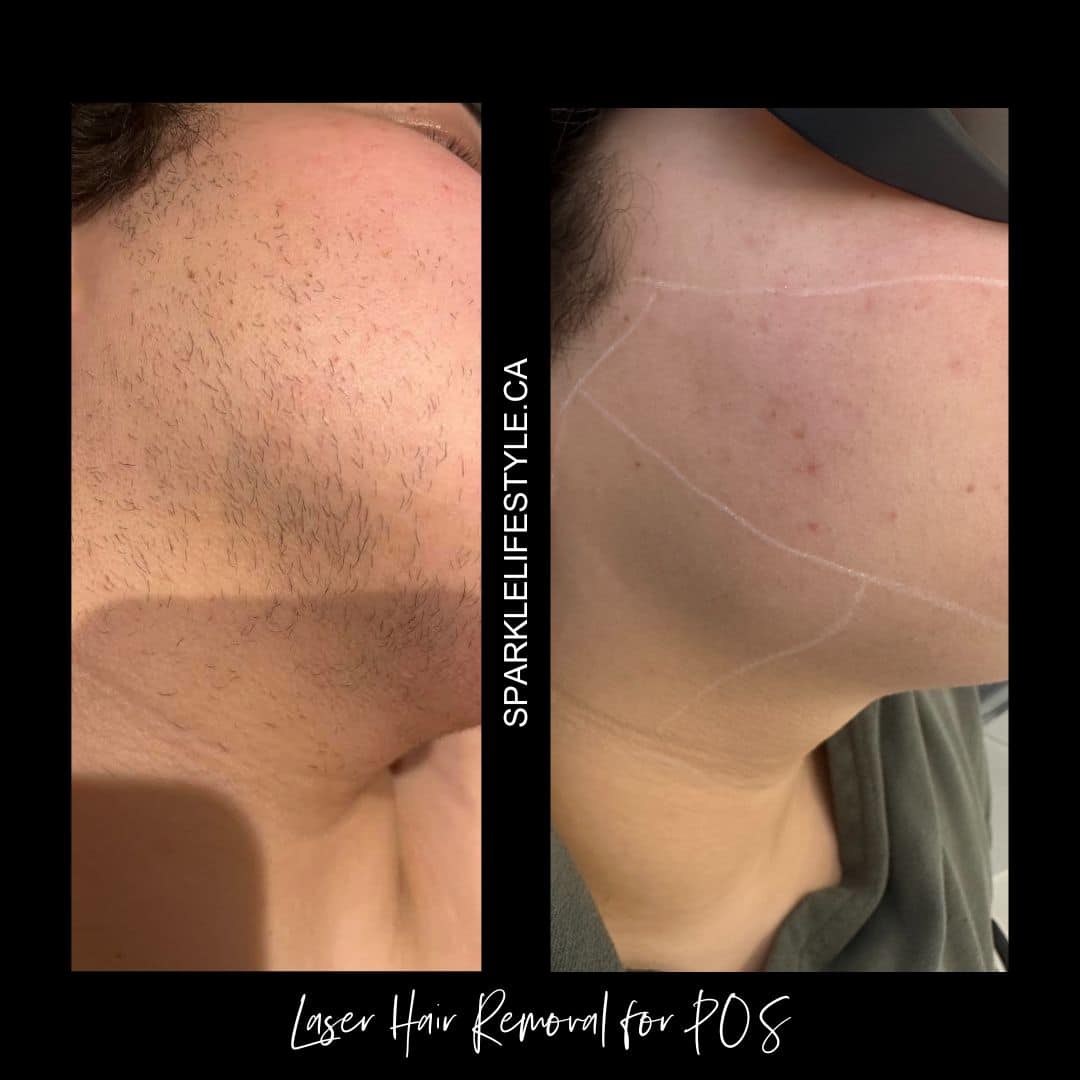
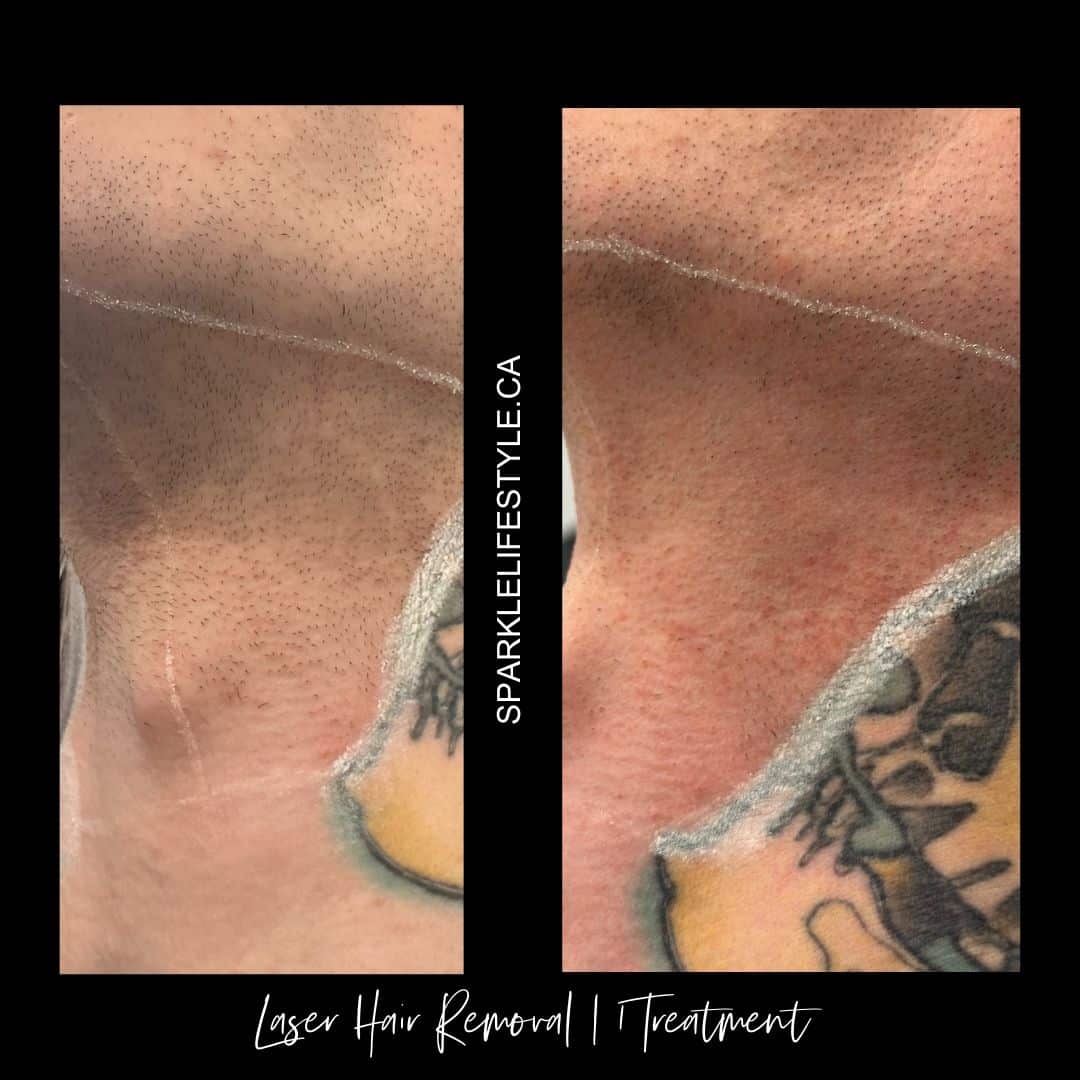
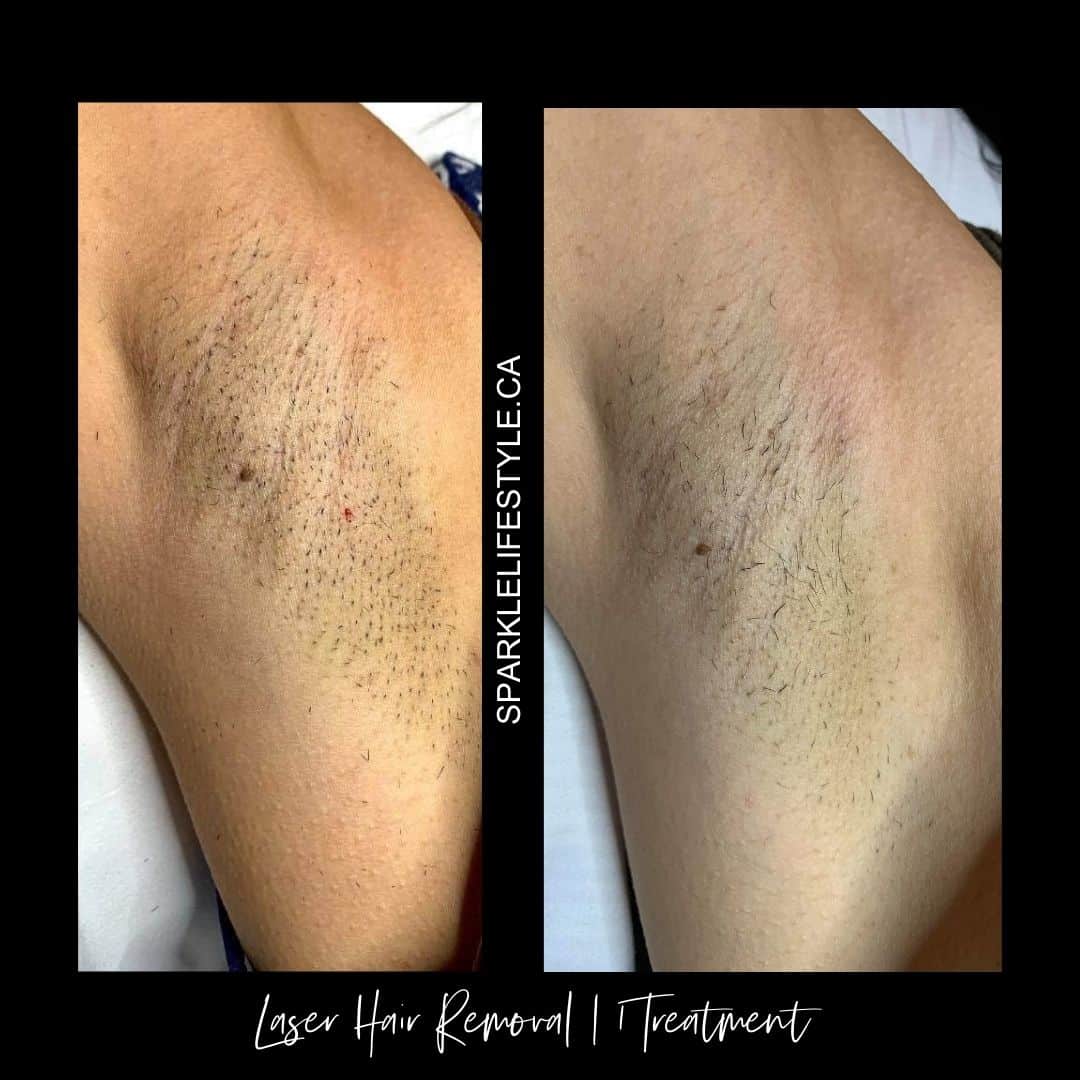
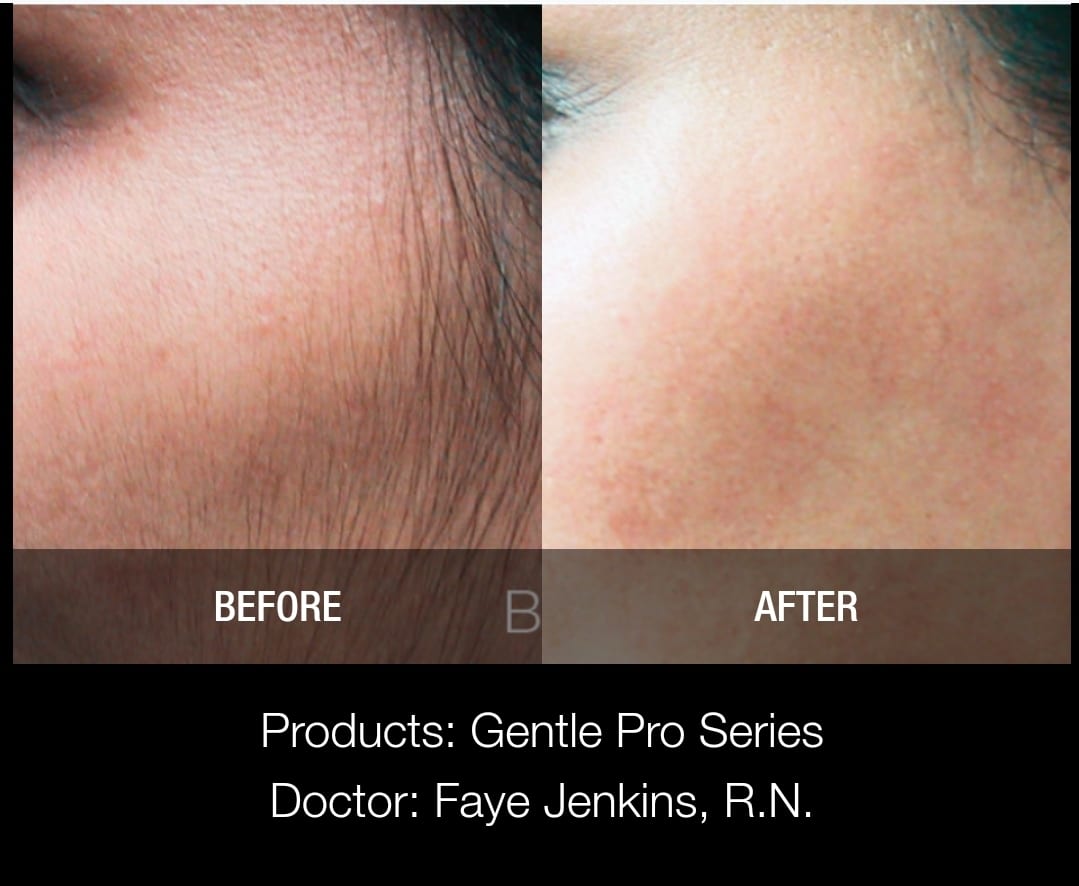
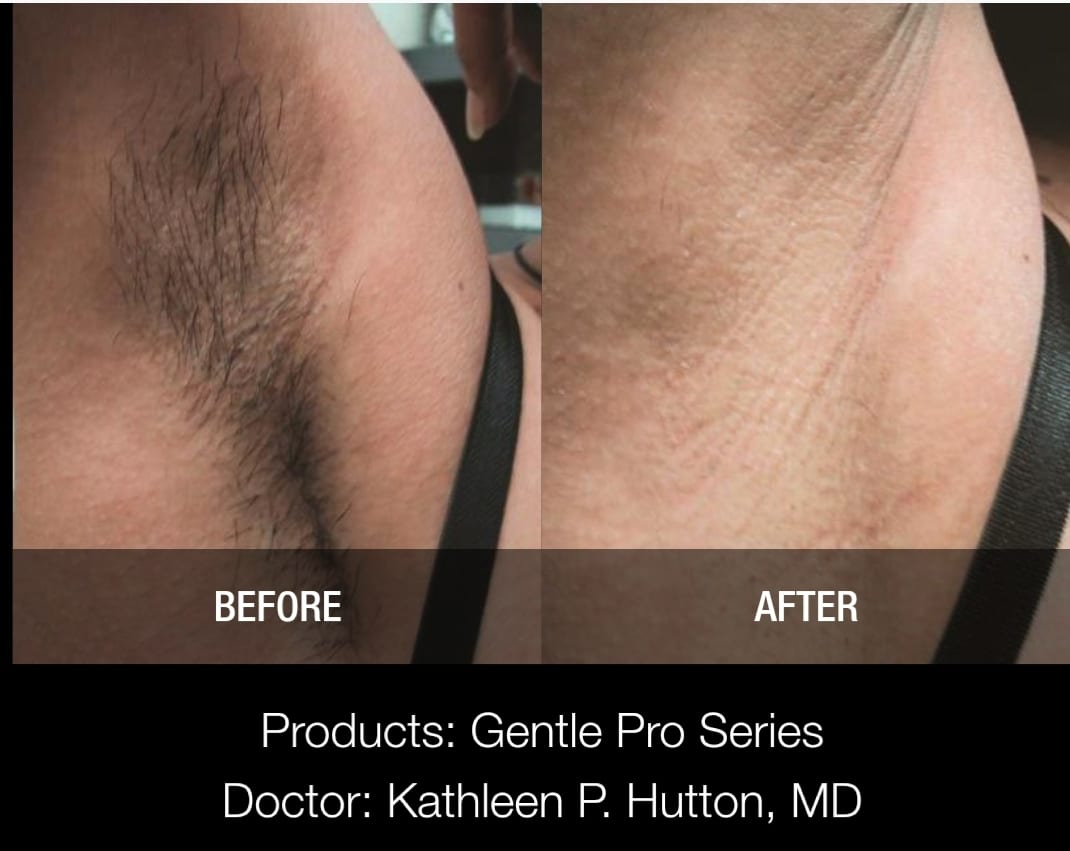
Real Results
Laser hair removal before & after results.
Individual results vary. Photos are for educational and illustrative purposes only.

Candidacy and expectations
Every skin tone deserves an individual assessment.
GentleMax Pro Plus supports treatment planning across Fitzpatrick skin types I–VI with appropriate wavelength selection and settings. Skin tone and hair colour are different considerations: not every hair type responds well.
Pigmented hair
Dark, coarse hair generally responds best. Blond, red, white and grey hair may have too little pigment for a predictable response. We’ll discuss this honestly before you invest.
Timing matters
Recent tanning or sunburn, medications, skin conditions and your health history can affect candidacy or mean treatment should wait. Tell your provider about any changes before each visit.
Reduction, not a promise
Session needs and regrowth vary by area, hair, hormones and individual response. Some clients need additional sessions or maintenance after their initial series.
Pricing and packages
Know the cost before you commit.
Single-session starting prices by zone size. Your exact treatment area and complete quote are confirmed at your free consultation.
Small zone
From $150
Upper lip, chin, underarms and bikini line.
Medium zone
From $250
Brazilian, half legs and half arms.
Large zone
From $350
Full legs, full arms, full back and chest.
Packages of 6–8 sessions and memberships are available. We’ll help you compare the options and explain the pricing for your plan. Your package size is not a guarantee of how many sessions you will need.
Pre-Care · Post-Care · What to Expect
How to prepare for laser hair removal — and what happens after.
Your results are not only about the laser. Preparation, timing, sun exposure, shaving, skincare, and aftercare all affect comfort, safety, and how well the follicle responds. This section combines our laser hair removal preparation, aftercare, and recovery guidance into one clear plan.
Before your appointment
- Shave the area 24 to 48 hours before treatment, unless your provider gives different instructions.
- Do not wax, tweeze, thread, bleach, or use electrolysis before or during your series because the follicle needs to remain present for laser targeting.
- Avoid tanning, tanning beds, self-tanner, and recent sun exposure before treatment. Recently tanned or sunburned skin may need to be delayed.
- Pause retinol, AHAs, BHAs, exfoliants, bleaching creams, and strong active skincare on the treatment area for several days before your visit, as directed.
- Tell us about medications, supplements, photosensitizing products, active skin conditions, recent procedures, pregnancy, breastfeeding, or a history of cold sores in the treatment area.
Day of treatment
- Arrive with clean skin and no lotion, oil, makeup, deodorant, perfume, numbing cream, or self-tanner on the treatment area.
- Wear loose, comfortable clothing when treating areas that may be sensitive afterward, such as bikini, Brazilian, underarms, legs, or back.
- Arrive a few minutes early so your provider can review changes in medication, sun exposure, skin irritation, or recent procedures.
- Expect a quick snap or warm pulse. The GentleMax Pro Plus uses built-in cooling to help protect and cool the skin surface.
- Your provider may adjust settings based on your Fitzpatrick skin type, hair colour, hair density, treatment zone, and skin response that day.
After your session
- Mild redness, warmth, swelling around follicles, or sensitivity can be normal for a few hours to a couple of days.
- Use a cool compress or a gentle, fragrance-free soothing gel if the area feels hot or irritated.
- Avoid hot showers, saunas, steam rooms, hot tubs, intense workouts, and heavy sweating for 24 to 48 hours.
- Avoid scrubs, loofahs, exfoliating acids, retinol, fragrance, and harsh products until the skin feels calm.
- Use SPF 30+ on exposed treated areas and avoid direct sun exposure. Continue shaving between sessions, but do not wax or tweeze.
Immediately After
The area may look pink, warm, or slightly bumpy around follicles. This is commonly temporary and usually settles with gentle cooling and simple skincare.
24–48 Hours
Keep the area cool, avoid heat and sweating, use gentle products, and protect exposed skin with SPF. Most clients can return to normal daily activities.
7–21 Days
Treated hairs begin to shed. This can look like regrowth, but it is often the treated hair pushing out. Let it shed naturally and avoid waxing or tweezing.
Series Results
Reduction builds over the series. Staying on schedule matters because each session targets follicles in a different growth phase.
When to contact Sparkle: Please contact the clinic if you notice severe or worsening redness, blistering, crusting, increasing pain, unusual swelling, drainage, signs of infection, pigmentation changes, or any reaction that worries you. For urgent symptoms, seek medical care immediately.
These instructions are general. Your provider may adjust your pre-care and aftercare based on your skin tone, hair type, treatment area, medications, sun exposure, and treatment settings.
A few things you may be wondering
Your questions,
answered
Let’s talk about comfort, cost, preparation and what’s realistic for your skin and hair.
How do I choose a laser hair removal clinic in Moncton?
Look for device-specific training, appropriate technology for your skin tone, transparent pricing, realistic expectations, medical-history screening and clear aftercare. Sparkle uses Candela GentleMax Pro Plus with individualized treatment planning and team oversight from Madelaine Caissie.
What laser does Sparkle use for hair removal?
Sparkle uses the Candela GentleMax Pro Plus, a dual-wavelength laser system combining Alexandrite 755nm and Nd:YAG 1064nm. Candela describes the platform for hair reduction across all skin types; at Sparkle, wavelength and settings are selected after skin, hair, tanning, and medical-history assessment.
Can laser hair removal be used on darker skin tones?
It can be an option for darker skin tones when the device, wavelength, settings, tanning history, and individual risk profile are appropriate. GentleMax Pro Plus includes a 1064nm Nd:YAG wavelength commonly used in treatment planning for deeper skin tones. Consultation is required because skin colour and settings affect both effectiveness and risk.
How many sessions of laser hair removal will I need?
Most clients need a structured series of 6 to 8 sessions. Hormonal areas such as the face, chin, and bikini may need additional sessions or ongoing maintenance.
How much does laser hair removal cost in Moncton?
Single-session pricing starts at $150 for small zones, $250 for medium zones and $350 for large zones. Packages of 6–8 sessions and memberships are available. Your exact treatment area, package and complete quote are confirmed at your free consultation.
How is laser hair removal different from IPL?
Laser hair removal uses specific laser wavelengths, while IPL uses a broad spectrum of filtered light. Neither technology should be judged by the name alone: device design, settings, skin type, hair colour, operator training, and treatment plan all matter. Sparkle uses the GentleMax Pro Plus 755nm/1064nm laser platform for hair reduction.
Does laser hair removal hurt?
Most clients describe the sensation as a quick snap or rubber-band feeling. The GentleMax Pro Plus has built-in cooling that helps protect and soothe the skin before each pulse.
When will I see results, and how long do they last?
Treated hairs shed in the weeks after treatment, and reduction builds across your series. Many clients see substantial long-term hair reduction after a completed series, then maintain results with occasional touch-up sessions. Individual results vary.
Can all hair colours be treated?
No. Laser targets pigment in the hair, so dark, coarse hair responds best. Blond, red, white, and grey hair have minimal pigment and may not respond well. We confirm this honestly at your consultation.
How should I prepare for laser hair removal?
Shave the area 24 to 48 hours before your appointment. Avoid waxing, tweezing, threading, tanning, and self-tanner before treatment. Arrive with clean skin and tell your provider about medications or active skincare.
Can I get laser hair removal in summer?
Yes, but sun exposure needs to be managed carefully. We will guide you on timing, SPF, and whether a treatment area should be delayed if the skin is recently tanned or sun-exposed.
What should I avoid before laser hair removal?
Before laser hair removal, avoid waxing, tweezing, threading, bleaching, electrolysis, tanning, self-tanner, and recent sun exposure. You should also pause strong active skincare such as retinol, AHAs, BHAs, and exfoliants on the treatment area as directed by your provider.
What should I avoid after laser hair removal?
After laser hair removal, avoid hot showers, saunas, steam rooms, hot tubs, intense exercise, heavy sweating, direct sun, tanning, harsh skincare, scrubs, retinol, and exfoliating acids until the skin is calm. Continue shaving between sessions, but do not wax or tweeze.
Why does hair look like it is growing after laser?
After treatment, some hairs may look like they are growing, but they are often treated hairs shedding from the follicle. Shedding usually happens over 7 to 21 days. Avoid pulling the hairs out; gentle exfoliation may be recommended once the skin has fully calmed.
When should I contact the clinic after laser hair removal?
Contact Sparkle if you notice severe or worsening redness, blistering, crusting, increasing pain, unusual swelling, drainage, signs of infection, pigmentation changes, or any reaction that worries you. For urgent symptoms, seek medical care immediately.
Ready to spend less time shaving?
Bring your questions. We’ll assess your skin and hair, explain pricing and help you decide whether laser hair removal fits your goals and routine.