Sparkle Lifestyle MediSpa
Botox for Migraines: What to Know Before Treatment
Botox is not only known for softening expression lines. In medical settings, Botox may also be used as a preventive treatment for adults with chronic migraine. But migraine Botox is not the same as a cosmetic forehead treatment — it requires the right diagnosis, medical assessment, dosing pattern, and follow-up plan.
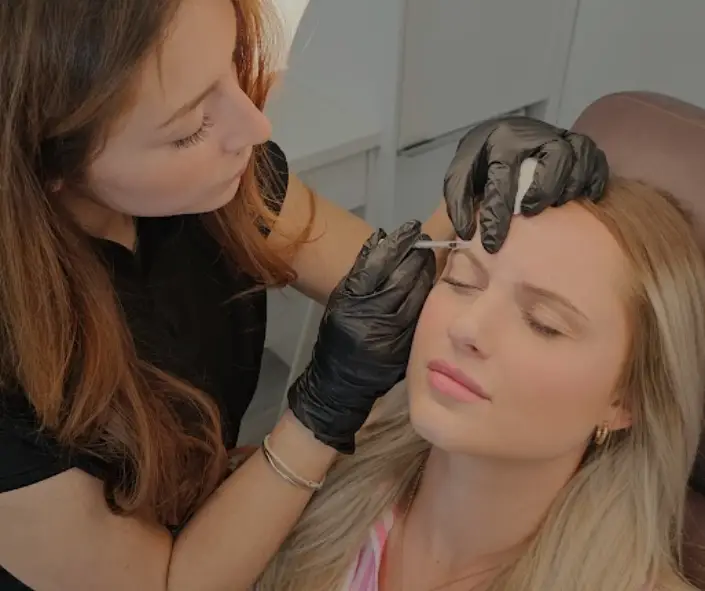
Quick Answer
Botox may help prevent chronic migraine for the right candidate — but it is a medical treatment, not a beauty add-on.
Proper diagnosis, medical screening, dosing, injection pattern, and follow-up matter.
In short: Botox may be used as a preventive treatment for adults with chronic migraine, which generally means frequent headache days over several months and migraine features on a significant number of those days. It is not used to treat a migraine once it has already started, and it does not cure migraine. The goal is to reduce headache frequency and severity over time when the person is an appropriate medical candidate.
Important Medical Note
Migraine Botox is a medical treatment and requires medical assessment.
This page is for education. If you are experiencing frequent headaches, new headaches, severe symptoms, neurological symptoms, or worsening migraine patterns, speak with a physician, nurse practitioner, neurologist, or appropriate healthcare provider. Cosmetic Botox appointments are not a replacement for migraine diagnosis or medical migraine care.
Medical Use
Can Botox really help migraines?
Botox may help some people with chronic migraine by reducing how often migraine attacks or headache days occur. It is considered a preventive treatment, meaning it is used on a schedule to reduce future migraine burden — not as a rescue medication during an active migraine.
The exact way Botox helps chronic migraine is still discussed medically, but it is thought to affect pain-related signaling around nerves in the head and neck. The important part for clients to understand is this: migraine Botox is not simply “a little Botox in the forehead.” It follows a medical protocol and must be assessed differently than cosmetic wrinkle treatment.
Prevention-focused
Botox for chronic migraine is used to reduce future headache days, not to stop a migraine that is already happening.
Chronic migraine only
It is generally considered for chronic migraine patterns, not occasional headaches or occasional migraine attacks.
Medical protocol
The injection pattern, dose, and goals are different from cosmetic Botox for expression lines.
Who May Qualify
Who is Botox for migraines usually for?
Botox for migraine is typically considered for adults with chronic migraine patterns. Chronic migraine is commonly described as frequent headache days each month, with migraine features on a significant number of those days.
Often considered when
- Headaches happen on many days each month
- Migraine features are frequent
- Other preventive options have not been enough or are not tolerated
- A medical provider confirms chronic migraine criteria
Usually not the right fit for
- Occasional headaches
- Episodic migraine without chronic criteria
- Undiagnosed new or changing headache patterns
- Clients without appropriate medical assessment
Red flag note: New severe headaches, neurological symptoms, vision changes, weakness, confusion, sudden “worst headache,” or headaches that are changing quickly should be assessed medically. Do not treat those as a simple Botox question.
Medical vs. Cosmetic Botox
Migraine Botox is not the same as cosmetic Botox.
This is one of the biggest misunderstandings. Cosmetic Botox is usually placed in muscles that create expression lines, like frown lines, forehead lines, and crow’s feet. Botox for chronic migraine uses a medical injection pattern across specific head and neck areas.
| Topic | Cosmetic Botox | Botox for Chronic Migraine |
|---|---|---|
| Main goal | Soften expression lines and balance facial movement | Reduce future headache or migraine burden for appropriate chronic migraine candidates |
| Assessment | Facial anatomy, movement, goals, contraindications | Medical migraine history, diagnosis, headache pattern, medications, contraindications |
| Injection areas | Commonly forehead, frown, crow’s feet, brow area | Specific head, neck, shoulder, and scalp-area protocol |
| Treatment goal | Natural-looking movement and wrinkle softening | Prevention and reduction of chronic migraine burden over time |
Sparkle perspective: If you already receive cosmetic Botox and are also considering migraine Botox, your provider needs to know. Total dosing, timing, medical indication, and injection areas matter.
Treatment Process
What happens during Botox treatment for chronic migraine?
A medical Botox migraine protocol is different from a cosmetic appointment. It usually involves multiple small injections across specific areas of the head and neck, and treatments are commonly repeated about every 12 weeks when appropriate.
Medical review
Your provider reviews migraine pattern, diagnosis, medications, medical history, and suitability.
Specific pattern
Migraine Botox uses a structured medical injection pattern, not random placement.
Repeat cycles
Results are usually evaluated over more than one treatment cycle, not judged after one week.
Tracking matters
A headache diary can help determine whether treatment is helping over time.
Timeline & Expectations
How long does Botox take to work for migraines?
Migraine Botox is not instant. Some people notice changes within weeks, while others may need multiple treatment cycles before they can tell whether it is meaningfully helping. This is one reason medical follow-up and symptom tracking matter.
After treatment
You may have small bumps, tenderness, or mild injection-site discomfort temporarily.
First cycle
Some people notice improvement, while others need more time and repeat cycles to judge response.
Ongoing plan
If it helps and remains appropriate, treatments are commonly repeated about every 12 weeks.
Safety & Side Effects
What are the possible side effects?
Botox is a prescription medication, and side effects are possible. Your provider should review your medical history, medications, allergies, neuromuscular conditions, pregnancy or breastfeeding status, and past reactions before treatment.
Possible common effects
- Injection-site tenderness
- Temporary headache or soreness
- Neck pain or stiffness
- Temporary muscle weakness in treated areas
Seek medical help urgently
- Trouble breathing, speaking, or swallowing
- Severe allergic reaction symptoms
- Generalized weakness
- Vision changes or concerning neurological symptoms
Important: This is not a complete list of risks. Botox should only be used after appropriate assessment by a qualified medical provider who can review your individual risks and treatment options.
Cost & Coverage
Is Botox for migraines covered by insurance?
Coverage depends on your insurance plan, diagnosis, documentation, prior treatments, prescriber, and medical criteria. Some plans require a confirmed chronic migraine diagnosis, a history of headache days, and documentation that other preventive options were tried or not appropriate.
Best next step: Ask your insurer what documentation is required for chronic migraine Botox coverage and confirm whether the treating provider, prescription, and clinic setting are eligible under your plan.
The Sparkle Perspective
This is not “just more Botox.”
At Sparkle, we love Botox — but we also respect what it is. Botox is a prescription medication. When the goal is migraine prevention, the conversation needs to be medical, not casual.
If you are asking about migraines, we want to know whether you have a diagnosis, how often headaches happen, what treatments you have tried, who is managing your care, and whether Botox is truly appropriate. Pretty foreheads are one thing. Chronic migraine care deserves a real medical plan.
No cure claims
Botox may reduce chronic migraine burden, but it does not “cure” migraine.
Medical criteria first
Chronic migraine requires proper assessment, not guessing from a TikTok symptom list.
Different protocol
Migraine Botox is not the same as a cosmetic forehead or frown-line treatment.
Team-based care
Your migraine care may involve your physician, NP, neurologist, insurer, and injector.
Frequently Asked Questions
Botox for migraines, answered.
Clear answers for clients researching Botox for chronic migraine, medical Botox, and how migraine treatment differs from cosmetic Botox.
Botox Questions? Let’s Clarify The Right Path.
Not sure if your Botox question is cosmetic or medical?
We will review your goals, medical context, treatment history, and whether Sparkle is the right place to start — or whether your concern should be managed with your physician, nurse practitioner, or neurologist.
Botox Education Hub · Sparkle Lifestyle & MediSpa
Everything You Need to Know About Botox
Explore all of our current Botox and neuromodulator resources, including how treatment works, safety, results, pricing, treatment areas, Dysport, advanced techniques, sweating treatments, lip flips, masseter treatment, and what to expect before and after your appointment.
New to Botox? Start with our main Botox & Dysport treatment page for the complete overview, then use the guides below to explore specific questions and treatment areas.
Treatment Areas
Face, Jaw, Lips & Neck
Compare Options
Botox, Dysport & Alternatives
Other Uses
Sweating, Migraine & Skin
Still Not Sure Where to Start?
A consultation helps determine whether Botox, Dysport, another neuromodulator, or a different treatment makes the most sense for your anatomy, movement, goals, and treatment history.