Botox Uses · Cosmetic Neuromodulators · Moncton & Dieppe NB
What Is Botox Used For?
Botox is best known for softening expression lines, but neuromodulators are used for more than wrinkles. Depending on the product, dose, injector, and medical setting, botulinum toxin treatments may be used for cosmetic concerns, excessive sweating, jaw tension, migraines, muscle spasms, and other medical conditions.
Quick Answer
Botox temporarily relaxes targeted muscle activity or blocks specific nerve signals.
Cosmetically, that can soften expression lines. Medically, botulinum toxin may be used for selected conditions under appropriate medical assessment.
In short: Botox is commonly used cosmetically to soften movement-related lines such as frown lines, forehead lines, crow’s feet, bunny lines, chin dimpling, neck bands, and selected lip or jawline concerns. Botulinum toxin is also used medically for certain conditions such as chronic migraine, excessive sweating, muscle spasm disorders, overactive bladder, and eye muscle disorders. Not every use is offered at every clinic, and candidacy depends on anatomy, goals, medical history, medication use, pregnancy or breastfeeding status, and provider assessment.
How It Works
How does Botox work?
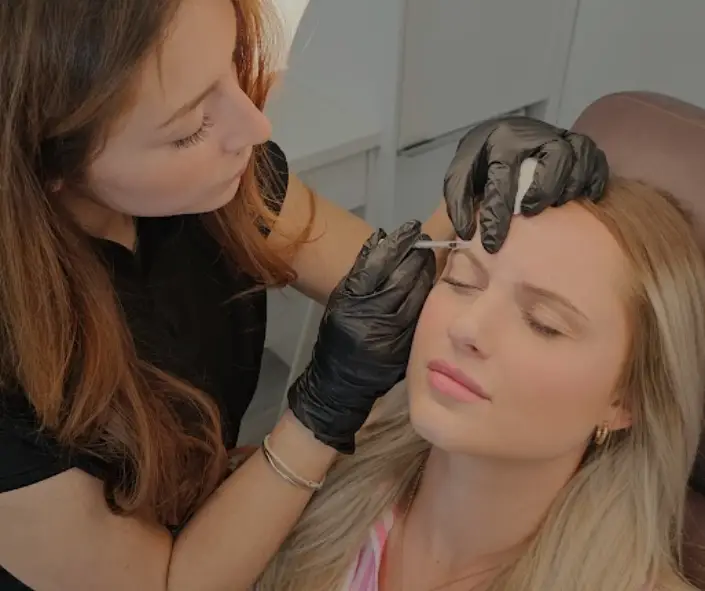
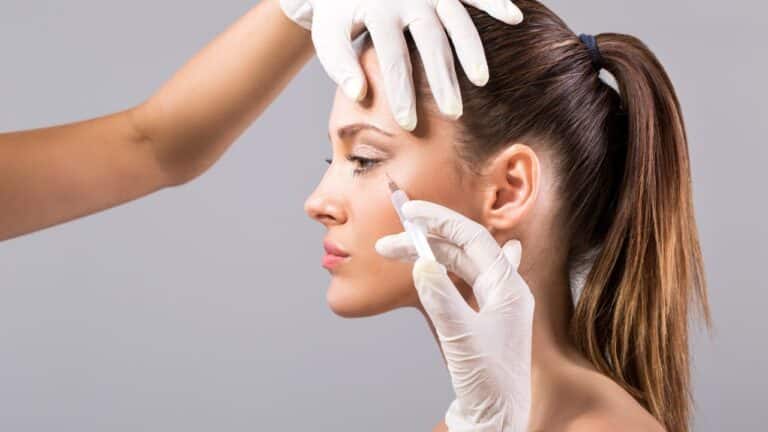
Botox is a brand name for a botulinum toxin type A medication. In cosmetic treatments, it is injected in tiny, controlled amounts to temporarily reduce selected muscle activity. Less muscle contraction can mean softer expression lines and a more relaxed appearance.
For medical uses, botulinum toxin may be used in different doses, locations, and treatment plans to affect specific muscles, glands, or nerve signals. These medical uses should be assessed and managed by appropriately trained medical professionals.
Temporary
Results are not permanent. Muscle movement gradually returns over time.
Targeted
Treatment is planned around specific muscles, movement patterns, and goals.
Dose-dependent
Different brands and treatment areas require different dosing strategies. Units are not interchangeable between products.
Cosmetic Uses
Cosmetic uses of Botox and Dysport.
Cosmetic neuromodulators are commonly used to soften expression lines caused by repeated facial movement. The goal at Sparkle is not to erase your personality. It is to create a softer, fresher look that still feels like you.
Frown lines
Softens the “11s” between the brows caused by repeated frowning or concentration.
Forehead lines
Reduces horizontal forehead movement while protecting natural brow position and expression.
Crow’s feet
Softens smile lines around the outer eyes while keeping warmth in your expression.
Bunny lines
Can soften scrunch lines on the nose for the right candidate.
Lip flip
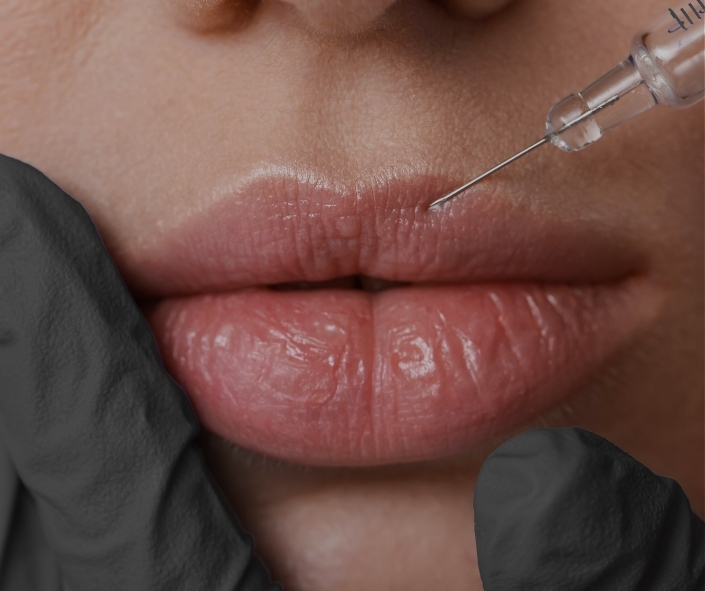
Can subtly relax the upper lip muscle to show a little more lip for selected clients.
Gummy smile
May reduce excessive upper-lip elevation when smiling, depending on anatomy.
Chin dimpling
Can soften orange-peel texture caused by overactive chin muscle movement.
Neck bands
Can soften selected platysmal neck bands for appropriate candidates.
Medical Uses
Medical uses of botulinum toxin.
Botulinum toxin is also used in medicine for selected conditions. These treatments may involve different doses, injection patterns, products, prescribers, and medical monitoring than cosmetic treatments.
Important: This section is educational. It does not mean every medical use listed below is offered at Sparkle. If you are seeking treatment for a diagnosed medical condition, you may need assessment or referral through the appropriate medical provider.
Excessive sweating
Botulinum toxin can reduce sweat signaling in areas such as the underarms for appropriate candidates.
Chronic migraine
Botulinum toxin may be used medically for chronic migraine under specific diagnostic and treatment criteria.
Muscle spasms
Some muscle spasm or movement disorders may be treated with botulinum toxin in a medical setting.
Jaw clenching / TMJ tension
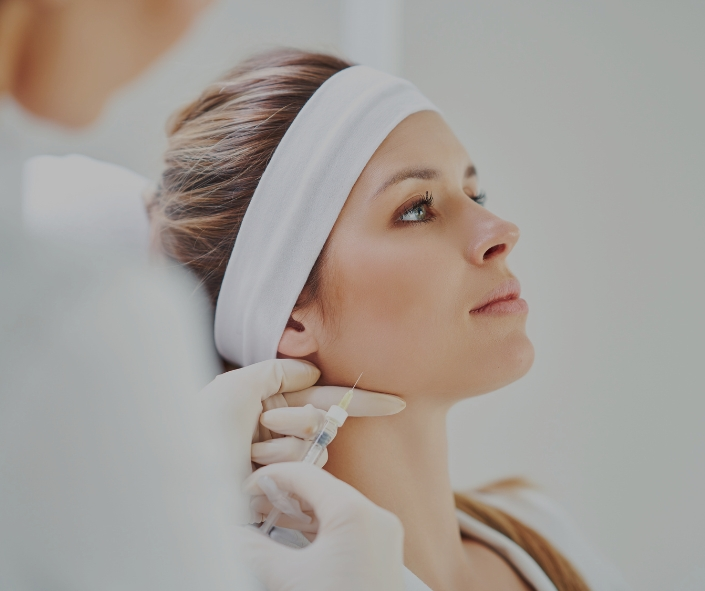
Masseter treatment may help selected clients with jaw tension, clenching, or facial slimming goals after proper assessment.
Overactive bladder
Botulinum toxin may be used medically for bladder muscle overactivity in appropriate clinical settings.
Eye muscle disorders
Certain conditions such as blepharospasm or strabismus may be treated medically by appropriate specialists.
Clinic clarity: Sparkle primarily focuses on cosmetic neuromodulator treatments and selected aesthetic/wellness-related concerns. Medical Botox treatments may require referral, diagnosis, insurance documentation, or management by a different medical specialist.
Safety
Botox is common, but it is still a medical injection.
Botox should be performed by an appropriately trained and licensed medical professional using authentic, properly handled product. The product, dose, dilution, placement, and anatomy all matter.
Real product
Avoid counterfeit, unapproved, or mystery injectable products. Authentic sourcing matters.
Medical assessment
Your provider should review health history, medications, pregnancy status, allergies, and contraindications.
Anatomy-based plan
Safe placement depends on anatomy, muscle strength, facial balance, and treatment goals.
Clear aftercare
You should know what is normal, what to avoid, and when to contact your provider.
Red flag: Be cautious with injectables offered in homes, parties, salons, or by unlicensed providers. Botulinum toxin injections are medical procedures and should not be treated like casual beauty services.
Side Effects
Potential side effects of Botox.
Most cosmetic Botox side effects are related to the injection itself and are usually temporary. However, botulinum toxin products do carry important safety warnings, and rare but serious symptoms should be taken seriously.
Bruising or swelling
Temporary bruising, swelling, tenderness, or redness can happen at injection points.
Headache
A mild headache can happen after treatment for some clients.
Temporary asymmetry
Results can settle unevenly at first. Final assessment is usually around 2 weeks.
Drooping or heaviness
Eyelid or brow heaviness can happen rarely and should be reported to your provider.
Seek urgent medical help if you experience trouble breathing, trouble swallowing, trouble speaking, severe weakness, vision changes, or symptoms that feel severe or unusual after botulinum toxin treatment.
The Sparkle Perspective
Botox should look like you — just less overworked.
At Sparkle, we are not trying to freeze your face into a customer-service smile. We look at how you move, where you hold tension, what bothers you, and how much expression you want to keep.
The best Botox plan is not “same dose for everyone.” It is anatomy, movement, goals, safety, and restraint. Cute results are great. Smart results are better.
Movement-first assessment
We assess how your face moves before deciding where to treat.
Natural-looking restraint
We want softer movement, not a copy-paste frozen look.
Medical screening
Health history, medication use, pregnancy, and contraindications matter.
2-week review mindset
We judge results once the product has fully settled, not on day three panic lighting.
Frequently Asked Questions
Botox uses, answered.
Clear answers about what Botox can be used for cosmetically, what medical uses exist, and what to ask before treatment.
Softer Movement. Smarter Plan.
Curious what Botox could do for your face?
We will assess your anatomy, movement, goals, medical history, previous treatments, and comfort level before recommending a Botox or Dysport plan.
Botox Education Hub · Sparkle Lifestyle & MediSpa
Everything You Need to Know About Botox
Curious about Botox, Dysport, Xeomin, lip flips, brow lifts, sweating treatments, pricing, safety, or advanced techniques? Start here. This Botox resource hub helps you understand your options before your consultation at Sparkle Lifestyle & MediSpa in Moncton, serving Dieppe, Riverview, and surrounding New Brunswick.
Sparkle perspective: The best Botox plan is not always the biggest one. It depends on your anatomy, movement, muscle strength, goals, and how natural you want your result to look.
Start Here
Botox Basics
New to Botox? Learn what it is, how it works, what it can treat, and what to expect at consultation.
Safety
Results & Expectations
Before booking, learn what is normal, what is not, and how to avoid the overdone Botox look.
Prep + Recovery
Before, Aftercare & Experience
Good results start before treatment and continue with proper aftercare.
Cost + Units
Botox Pricing
Pricing depends on your anatomy, muscle strength, treatment area, goals, and the number of units needed.
Cosmetic
Popular Botox Treatments
Explore common cosmetic Botox areas and how they can soften expression while keeping your look natural.
Functional
Sweating, Migraine & More
Botox may also be used beyond cosmetic wrinkles, including excessive sweating and other medical-style concerns.
Provider Education
Advanced Injector Education
For providers looking to understand advanced techniques, anatomy, treatment planning, and Sparkle Academy education.
Not Sure?
Start With a Consultation
The right Botox plan depends on your anatomy, muscle movement, goals, previous treatments, and how natural you want your result to look.
We will tell you what makes sense — and what does not.